Follow Us:

News

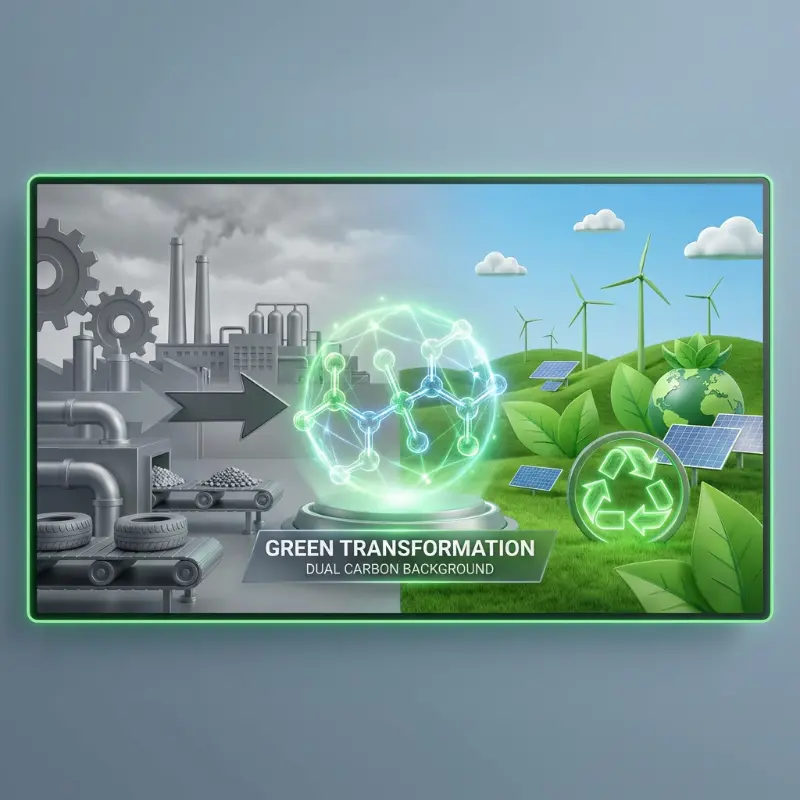
Pain Points & New Opportunities for the Green Transformation of the Rubber and Plastics Industry Under the Dual-Carbon Strategy

2026-04-20 0 Leave me a message

With 20 years of experience in the connector sealing industry, what I discuss most with automotive and new energy clients is no longer superior product parameters, but the real challenges they face in green transformation. Common concerns include:“Switching to eco-friendly materials pushes costs up by 20% and erodes most of our profits.”“We just invested in low-VOC production lines, only to face updated environmental standards.”“Clients require low-carbon certifications, yet we have no idea how to calculate carbon footprints.”

Driven by the dual-carbon goals, the entire rubber, plastics and auto parts industry is undergoing profound changes. While enterprises aim to seize green orders, they fear improper investment and potential risks. Drawing on our practical experience serving over 50 purchasers and supporting manufacturers, this article analyzes the genuine pain points and emerging opportunities of the industry’s green transformation in plain language. We focus on core concerns: investment costs, profit growth and risk avoidance, with no empty clichés.

I. Three Core Pain Points of Transformation

Pain Point 1: High Production Energy Consumption and Mounting Carbon Emission Pressures

As seasoned producers of automotive connector seals, we’re fully familiar with our core workflows. Compounding, injection molding, forming and vulcanization are all energy-hungry steps that consume large quantities of electric power and steam.

Aging equipment and outdated manufacturing methods guzzle extra energy and pump out far more carbon emissions.Rubber and silicone vulcanization, in particular, has long posed a tough headache when it comes to waste gas management.

As dual-carbon regulations keep tightening year by year, automakers now set higher bars for environmental audits, carbon quotas and low-carbon standards — all of which have become the new normal in the industry.Aging factory hardware and lengthy upgrade cycles are standing in the way of fast carbon cuts,holding back our efforts to update production facilities and optimize manufacturing processes.Firms that drag their feet on upgrades will soon find themselves falling behind and failing to meet environmental rules.Most manufacturers are caught in a tight spot, stuck between a rock and a hard place.

Practical Solutions

1. Phase out power-hungry old machines, switch to energy-saving new equipment, apply low-temperature production processes, and install waste heat recovery systems to greatly save electricity and cut energy consumption.

2. Replace coal and high-pollution fuels with clean energy such as natural gas and photovoltaic power to achieve greener production.

3. We run our production in a more thoughtful way, arrange workshop schedules reasonably, and make good use of all raw materials. By cutting down unnecessary waste day by day, we effectively control energy usage and gradually reduce carbon emissions.

Pain Point 2: Inadequate Waste Recycling and Underdeveloped Circular Utilization

Rubber and plastic products have a stubborn nature, as they are unable to fade away or degrade naturally in nature.Year in and year out, factory operations leave behind piles of production scraps, faulty goods, waste sealing parts, harness sleeves and silicone pieces.

Yet the whole industry still has no unified, formal recycling system in place.As a result, these waste materials can only be piled up casually without proper management.Even if recycled, backward processing technology leads to low-purity and unstable reclaimed materials, which fail to meet the strict quality requirements of high-end automotive seals. Mass recyclable resources are wasted, restricting the development of a circular economy.

Breakthrough Measures

1. Establish long-term recycling cooperation with vehicle manufacturers and auto parts clients to realize unified collection and centralized disposal.

2. We keep upgrading our recycling and reprocessing techniques, while improving material classification and desulfurization steps. This way, recycled raw materials can always maintain steady and reliable performance.We put ecofriendly, easily recyclable materials first at the product design stage.This thoughtful choice makes it easier to realize cyclic material reuse right from the start.

Pain Point 3: Excessive Transformation Costs Restrict Small and Medium-Sized Enterprises

As environmental regulations grow stricter day by day, factories have to step up efforts to handle waste gas, sewage and solid waste with more dedicated investment. Enterprises face growing spending on new material research, green production upgrades and a full range of environmental qualification certifications.The majority of mid and small-sized rubber and plastics firms struggle on two key fronts: they barely have in-house research strength, and also lack sufficient funds to fall back on.Skyrocketing material costs, costly green upgrades and brutal market rivalry weigh heavily on small manufacturers.They hold back from extra spending to avoid risks, yet falling behind in transformation will only put their long-term survival at stake.

Budget-Friendly Ways to Boost Overall Performance

1. We partner with local universities and research centers to carry out shared technical research.Working side by side allows us to split R&D spending and ease the financial strain of going it alone.

2. Enterprises can update eco-friendly facilities in a gradual way.We first satisfy basic environmental compliance standards, then move forward with deeper optimization and upgrades step by step.

3. Apply for policy incentives including green factory certifications and technological transformation subsidies to reduce operational burdens with policy dividends.

II. Hidden Opportunities Behind Challenges: New Growth for the Rubber & Plastic Sealing Industry

Green transformation also brings industrial reshuffling. Backward high-pollution production capacity is being phased out, while quality-focused and forward-thinking enterprises are gaining greater market shares. Three major opportunities are emerging for the industry:

Opportunity 1: Eco-Friendly Material Upgrading — A Pass to Enter Green Vehicle Supply Chains

Automakers have raised stricter supply chain standards in the dual-carbon era, with low-carbon, eco-friendly and low-emission performance becoming mandatory access requirements. Traditional high-carbon petroleum-based materials are gradually phased out and excluded from mainstream vehicle supplier lists.

For manufacturers specializing in automotive seals, this is a critical opportunity. Start early to adopt low-emission, bio-based and recyclable eco materials.Manufacture green sealing components that fully meet OEM procurement standards.This unique advantage helps distinguish products from cheap, homogeneous low-end goods and strengthen overall competitiveness.Nowadays, carbon footprint testing and various green environmental certifications have become core indicators of a company’s strength.Businesses that complete environmental compliance and obtain relevant certifications early can win high-end customer orders and maintain steady long-term earnings.

Opportunity 2: Adopting circular production methods to cut costs while meeting environmental regulations.

Contrary to popular belief, corporate green transformation does not constantly add cost burdens. Advanced rubber and plastic recycling technology reprocesses production scraps and waste materials for reuse, greatly reducing raw material waste and lowering overall production costs.

The adoption of reclaimed materials and closed-loop recycling systems helps enterprises comply with national environmental policies and obtain green certifications. New energy car companies attach great importance to carbon reduction in the whole life cycle. Hence, suppliers that can realize product recycling and reuse are their top choices for the core supply chain. Actively upgrading to eco-friendly production is a key way for manufacturers to improve their overall strength and market advantages.

Opportunity 3: The new energy vehicle market is booming, bringing a golden chance for high-end domestic replacement sealing parts.

The new energy vehicle market is booming rapidly, leading to a sharp surge in demand for high-performance automotive seals. Whether it is battery packs, charging guns, high-voltage circuits or electronic control systems, these key components all require robust and durable seals to withstand drastic temperature differences.Excellent waterproof effect, reliable flame retardancy and light weight. Its overall performance is far superior to ordinary accessories for fuel vehicles.

High-end seals used to be heavily reliant on imports, which came with high prices, long delivery cycles and limited customization.Under the dual-carbon strategy, automakers are increasingly inclined to adopt localized, cost-effective and low-carbon domestic supply chains. Local domestic manufacturers feature mature technology, flexible response and stable quality, fully capable of replacing imported parts.

As demand surges for vehicle sealing, wire harness protection and charging interface components in the new energy sector, rubber and plastics sealing enterprises are ushering in unprecedented development opportunities.

Conclusion

With two decades rooted in the auto parts industry, I have witnessed continuous upgrades of the rubber and plastics sector. The green transformation driven by dual-carbon goals is a long-term irreversible trend rather than a temporary campaign.

In the short run, upgrading old equipment, swapping out materials, and getting up to speed with compliance standards feel like a heavy load—they pile on operational pressure for every business.In the long run, outdated and outdated production capacities that can’t keep up with the times will be gradually phased out. It’s just like the industry giving itself a thorough clean-up, sweeping away all unnecessary burdens.With that done, the market will become more orderly and well-regulated. Going forward, three key contenders will set the industry’s direction: eco-friendly production, premium quality, and customized services.

Stay rooted in the automotive sealing field, embrace green innovation, refine production techniques, and keep up with the fast-growing new energy trend.Only in this way can manufacturers hold firm in the market, catch every promising chance in the dual-carbon era, and grow steadily for years to come.


Related News
Leave me a message
X
We use cookies to offer you a better browsing experience, analyze site traffic and personalize content. By using this site, you agree to our use of cookies. Privacy Policy
Reject Accept