Follow Us:

Products
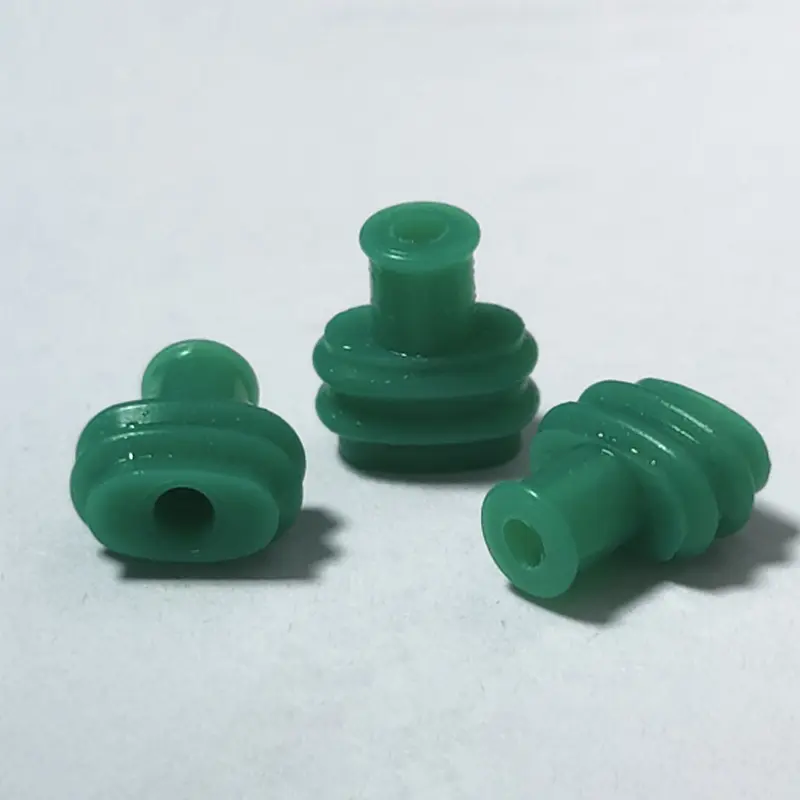
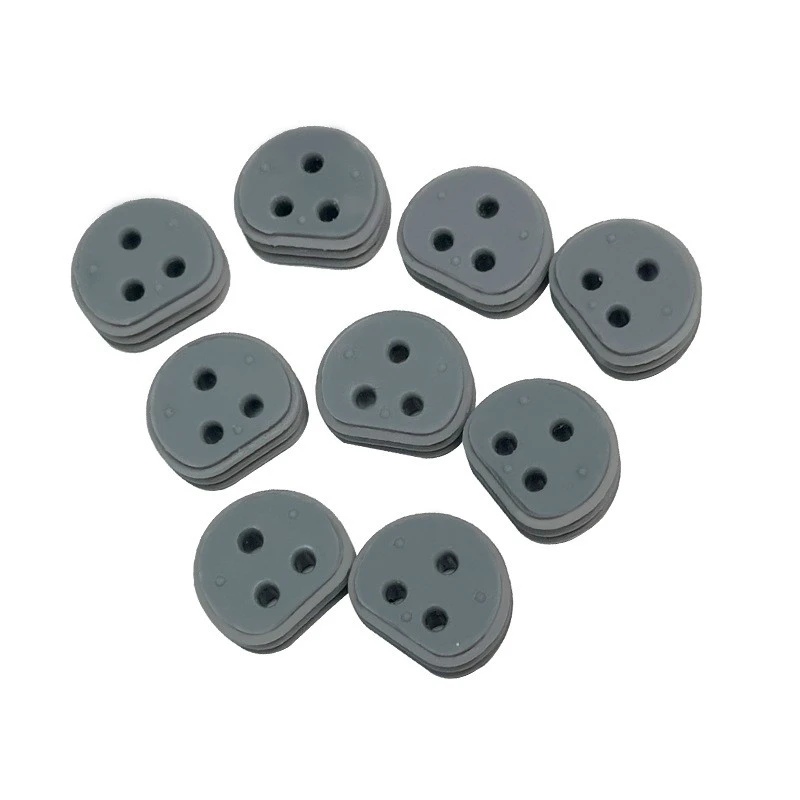
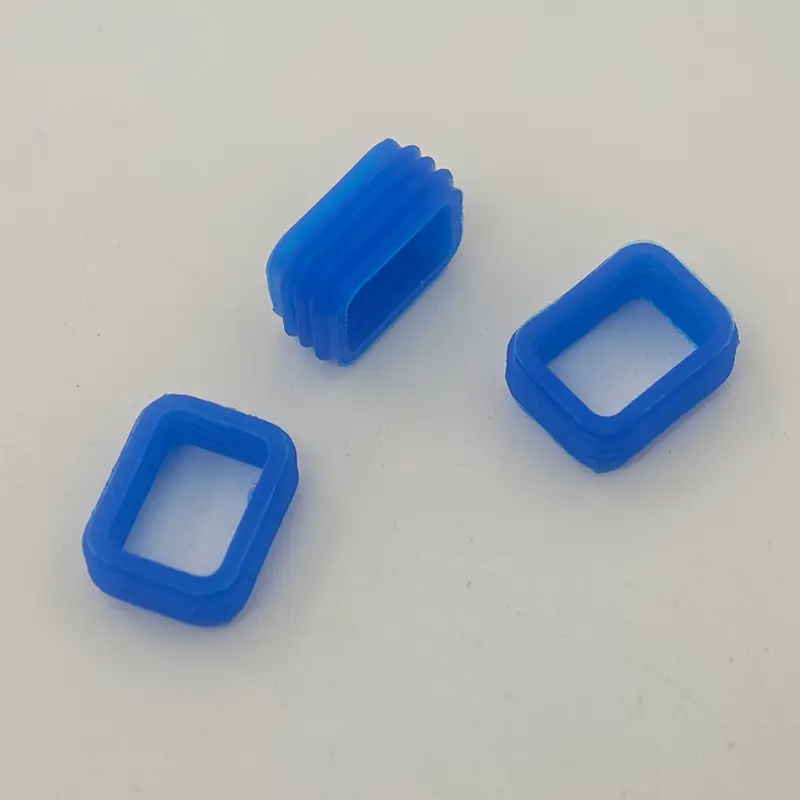
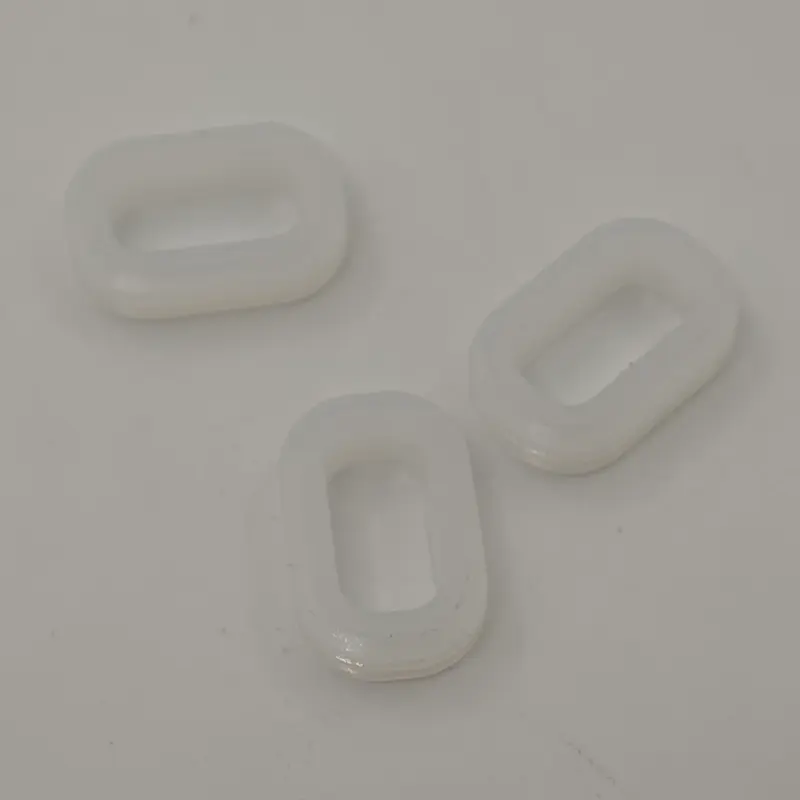
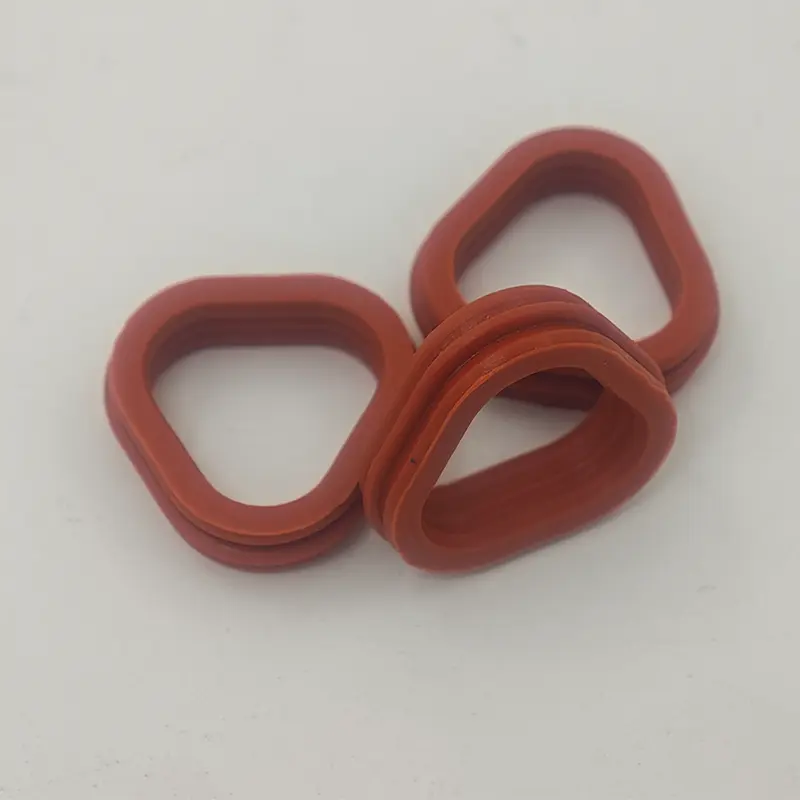
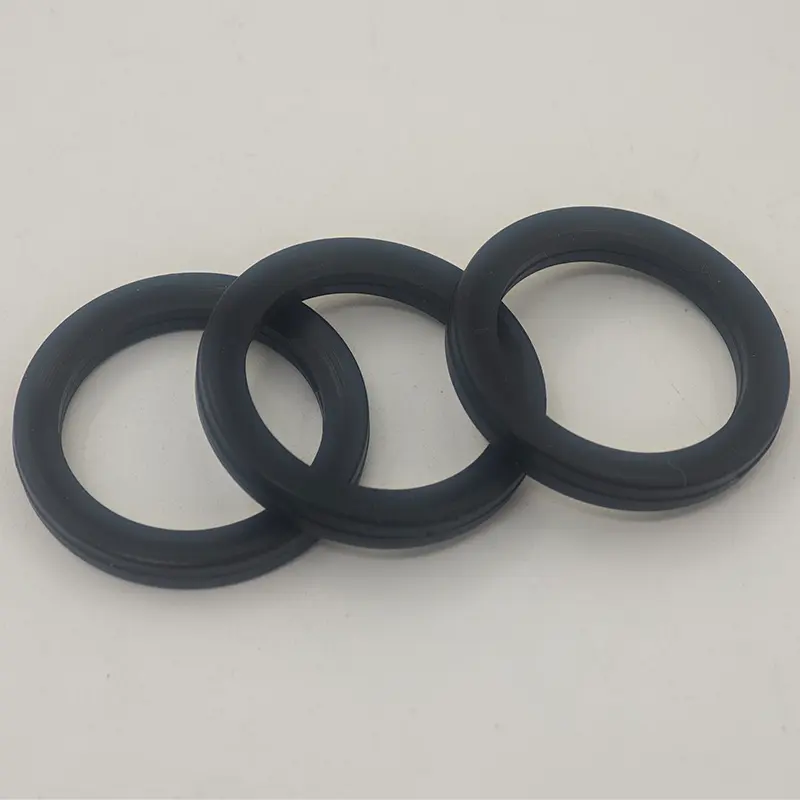
Gray Rubber Connector Gasket
  • Gray Rubber Connector GasketGray Rubber Connector Gasket

Gray Rubber Connector Gasket

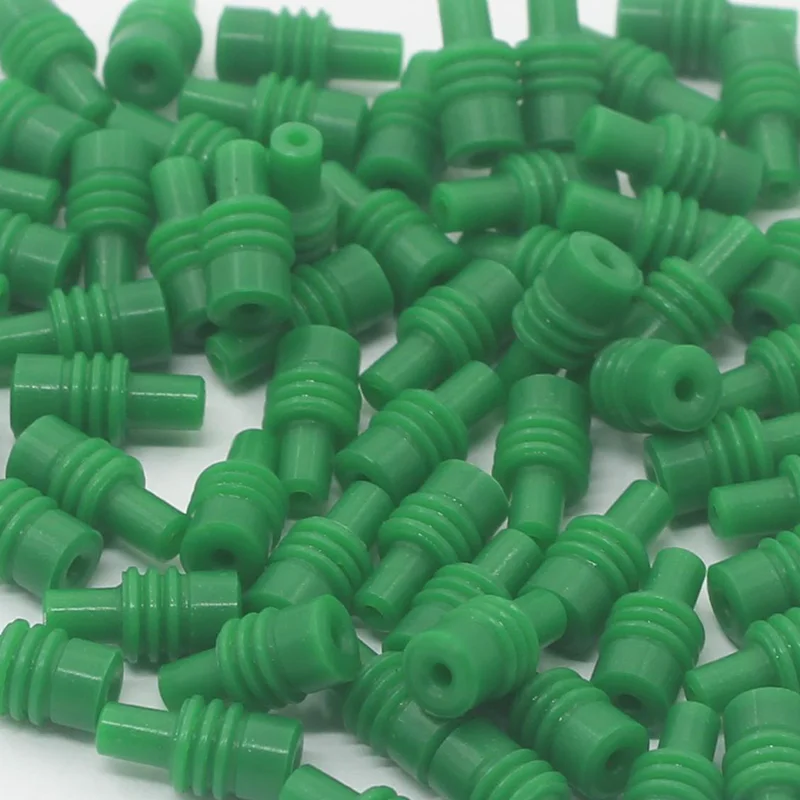
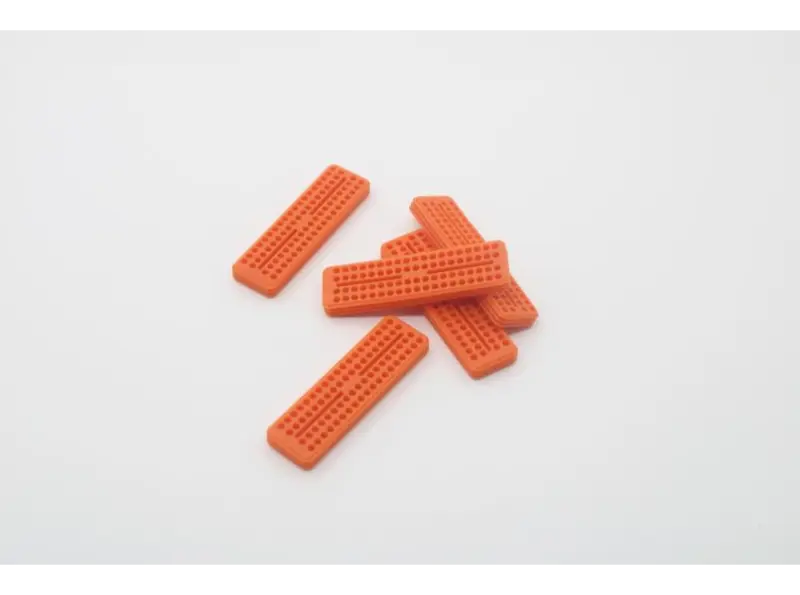
Many connector leaks happen in an unexpected spot, not at the outer edge. Instead, leakage originates from the wire exit bores on the housing. Even a bore that appears fully sealed can allow water to wick along the wire. As developed by Zhejiang Guoming Rubber Technology Co., Ltd., the Gray Rubber Connector Gasket provides dual sealing

performance: it seals the mating face between the housing and cover, and forms a tight seal between every bore and the wire passing through it. Although this gasket itself is low-cost, reworking the connector housing is expensive. For this reason, both part geometry and rubber compound must be finalized before mold machining, rather than after mold completion.

Why it is not round

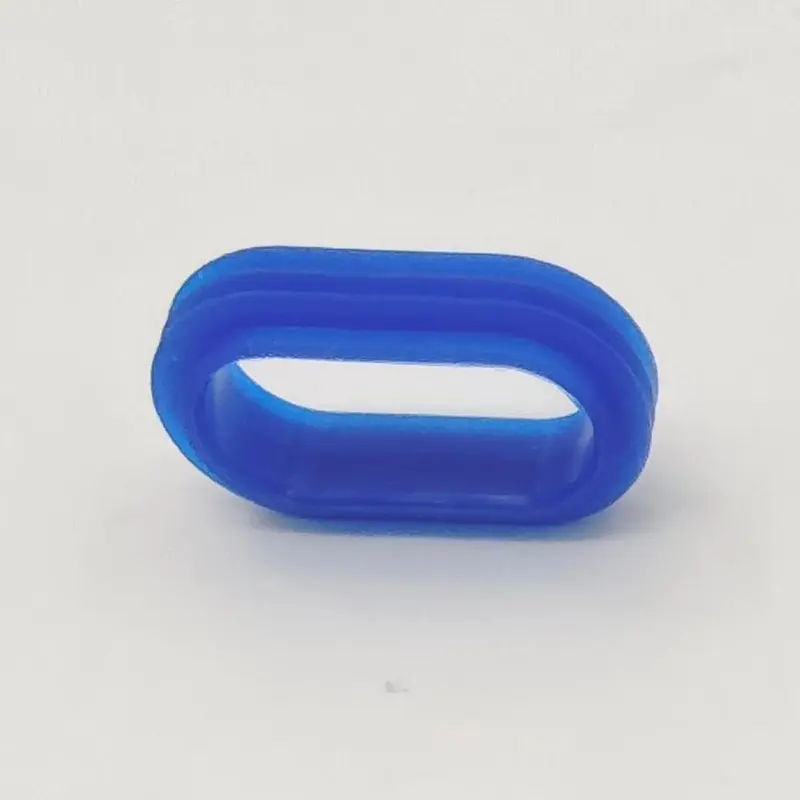
Round is easier to mold and easier to trim. This one is a rounded square on purpose, and the reason is on your assembly line.

A round gasket turns in its pocket. The bores turn with it, so a wire that lined up on the bench no longer lines up in the housing.

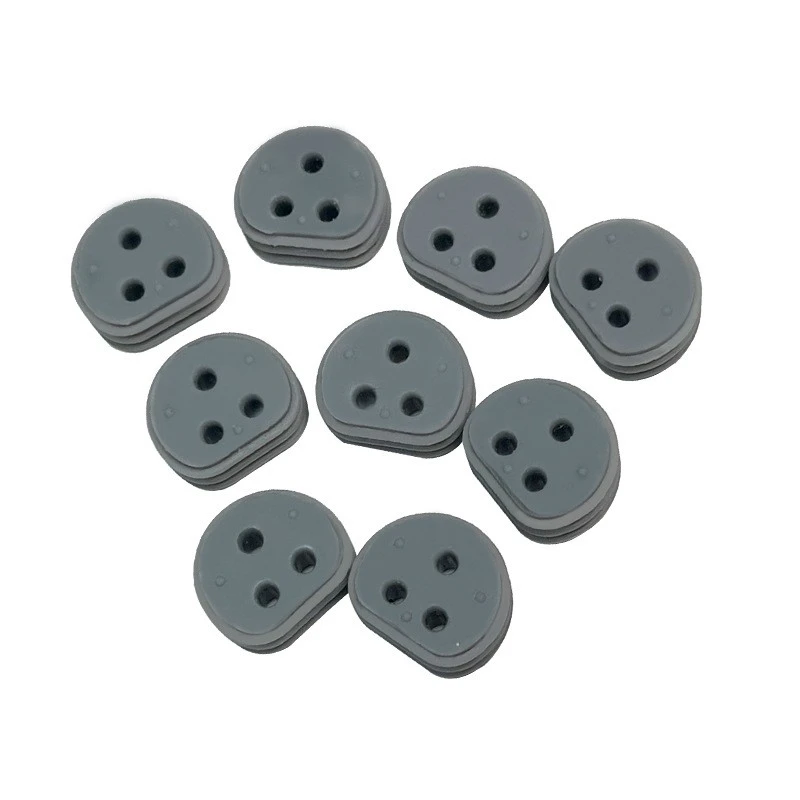
A rounded-square profile can only be fitted in one orientation.The corners key it to the pocket, so the bore pattern stays where the drawing puts it.

The flat sides give the ribs a straight run. On a round part a rib is always curving, and the curve is the first place it lifts.

It feels keyed when it's right. If it drops in loose and can rotate, something is off — and you find that at assembly instead of at the leak test.

Why three ribs and not one

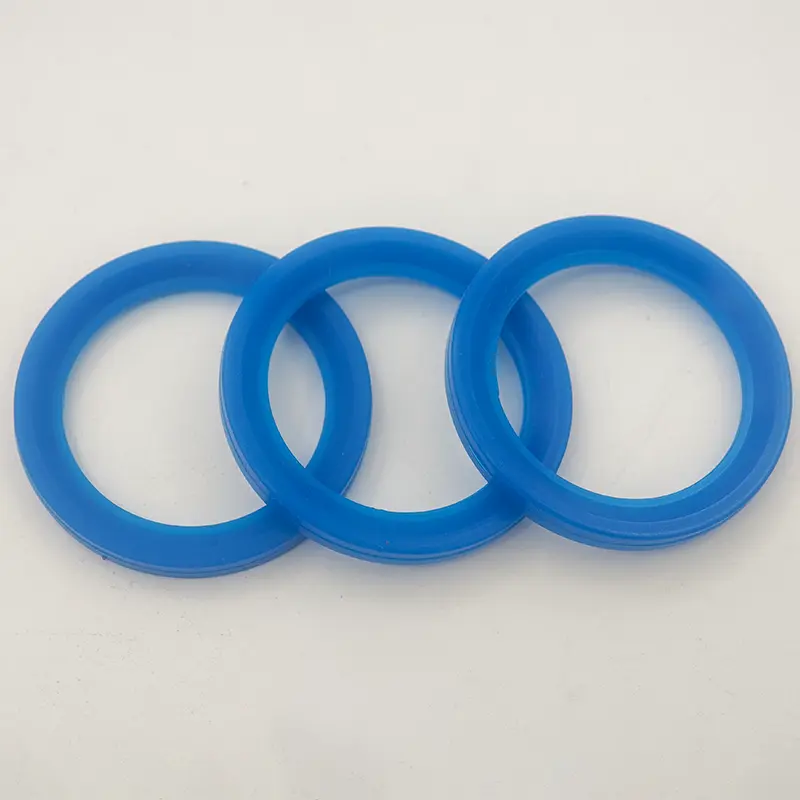
A single thick rib looks like the cheaper answer. It isn't, because a real joint face is never perfectly flat.

Three thin ribs make three contact lines. Three chances to seal, with one part on the bench.

A thin rib follows a face that's slightly domed or carries a machining mark. A thick rib bridges the low spot and leaves a gap under it.

Each rib takes a small squeeze instead of one deep one, so the cover doesn't bow against its own seal.

The grooves between the ribs work like a small trap. Water that gets past the first rib still has two more to cross.

Ribs are easy to inspect. A rib that didn't fill shows up as a flat spot under the light.

The part in numbers

Product Name

Gray Rubber Connector Gasket

Model

7035-1.2-23

Color

Gray

Length

10.63 mm

Width

10.11 mm

Height

5.42 mm — free height, before squeeze

Bores

Three, 1.7 mm

Ribs

Three, around the side

Footprint

Rounded square-fits one way only

Material

Rubber — grade picked with you

FAQ

Q: Why is it gray? Can you make it in black?

A: Gray isn't a requirement, it's just what this part runs in. It's a compound, not a paint. Black normally means carbon black in the mix, which is cheap and UV stable; a gray compound needs a different filler package, so we confirm it instead of assuming it. There's an inspection side as well: gray shows flash and a torn bore lip that black hides. If your drawing specifies black, say so before the mold is cut — after that it's a new tool, not a new shade.

Q: How much force should it take to pull a wire through?

A: It should pull through with steady hand pressure and feel like it's gripping the insulation the whole way. If it slides through with no resistance, the bore is too big and it will leak along the wire. If you have to twist and force it, you're rolling the lip back — and a rolled lip leaks just as badly as a loose one. Try it on your own wire before you accept the part; that's the number that matters, not one from us.

Q: Which way up does it go in?

A: Ribs toward the joint that moves, flat face against the solid one. Fitted the other way round the part still seats and still looks correct, so it isn't something the line will notice — which is exactly why we mark the bag and keep a fitted sample in the sample room.

Q: Can I fit the same gasket twice?

A: Not reliably. Once the rubber has been squeezed and warmed up, it sets in that shape, so a part that comes off during a teardown won't come back to the same height. On a line where covers come off for rework, keep spares in the bin. It's a cheap part, and a repeat leak isn't.

About us

Zhejiang Guoming Rubber Technology Co., Ltd. molds rubber and silicone seals for automotive connectors in Wenzhou, China. The molds are cut in-house, the parts run on dust-free presses, and every batch leaves with its material record attached.

Silicone (VMQ), EPDM, NBR and HNBR

Connector gaskets, wire seals, blind plugs and custom rubber seals

IATF 16949, batch traceability, PPAP on request

A sample room where you fit the part before volume

New molds built together with customers, from drawing to first article

Send the housing face, or just the wire and the space around it. We'll come back with the profile, the compound and what the tool costs. And if a size we already run is close enough, we'll tell you that instead of quoting a new mold.


Send Inquiry
Contact Info
For inquiries about Automotive Connector Seals, Overmolded Plastic and Rubber Seals or price list, please leave your email to us and we will be in touch within 24 hours.
X
We use cookies to offer you a better browsing experience, analyze site traffic and personalize content. By using this site, you agree to our use of cookies. Privacy Policy
RejectAccept