Follow Us:

News

How Does a Connector Seal Improve System Reliability?

2026-01-09 0 Leave me a message

Article Abstract

Connector seals play a critical role in protecting electrical and fluid connection systems from environmental damage, leakage, and premature failure. This article explains how connector seals work, why they are essential in industrial and commercial applications, and how selecting the right seal can directly address common customer pain points such as leakage, corrosion, vibration failure, and maintenance costs. By understanding materials, structures, and application scenarios, buyers and engineers can make informed decisions that improve long-term system reliability and operational safety.

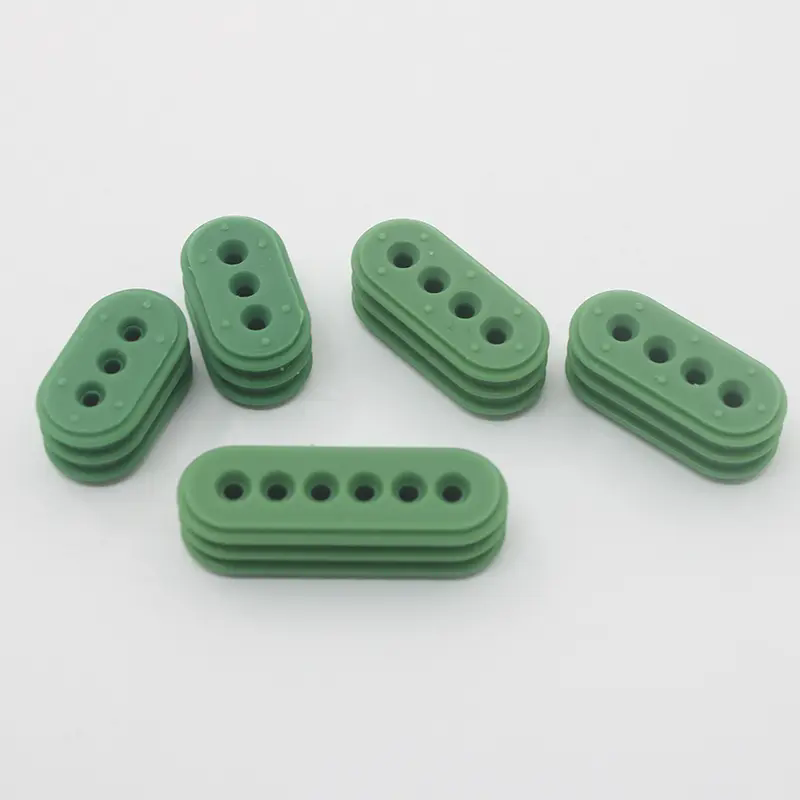
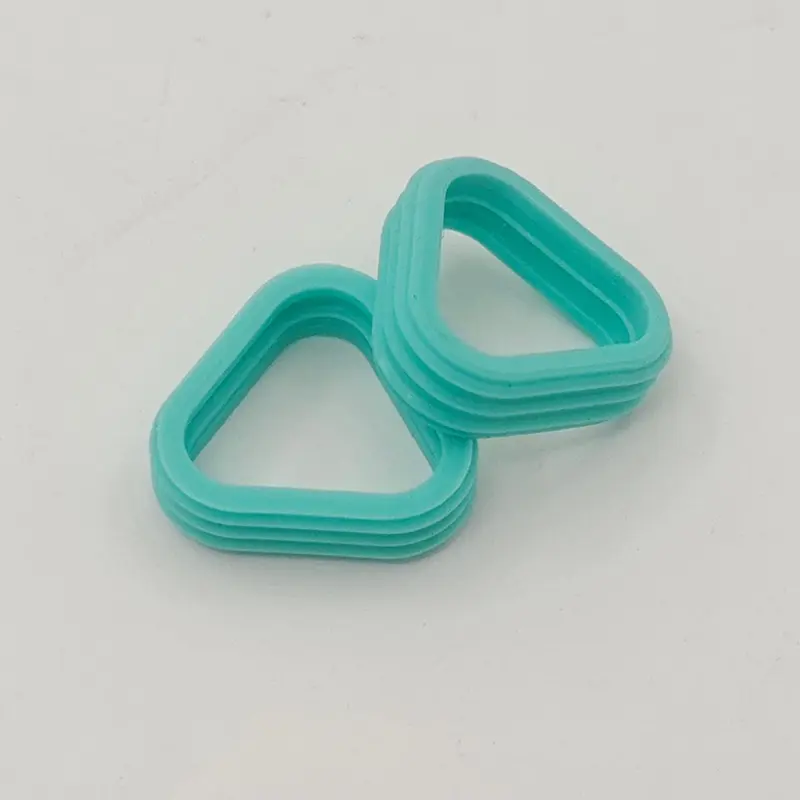
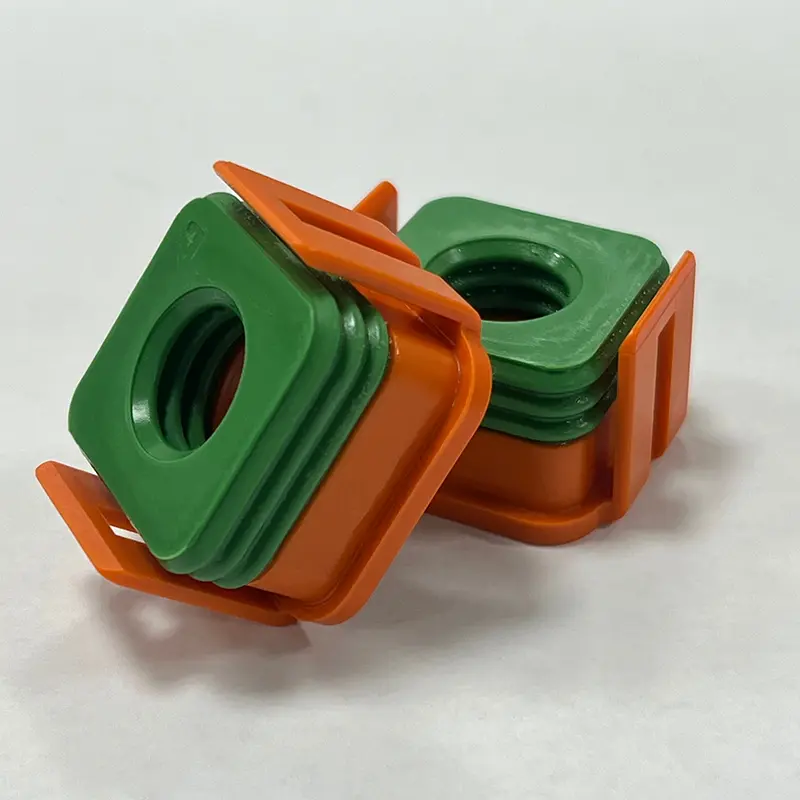
Green Connector Seals


Table of Contents


Article Outline

  • Definition and working principle of connector seals
  • Impact on safety, durability, and performance
  • Analysis of common operational challenges
  • Material comparison and performance factors
  • Industry-specific applications
  • Selection guidelines for long-term value

What Is a Connector Seal?

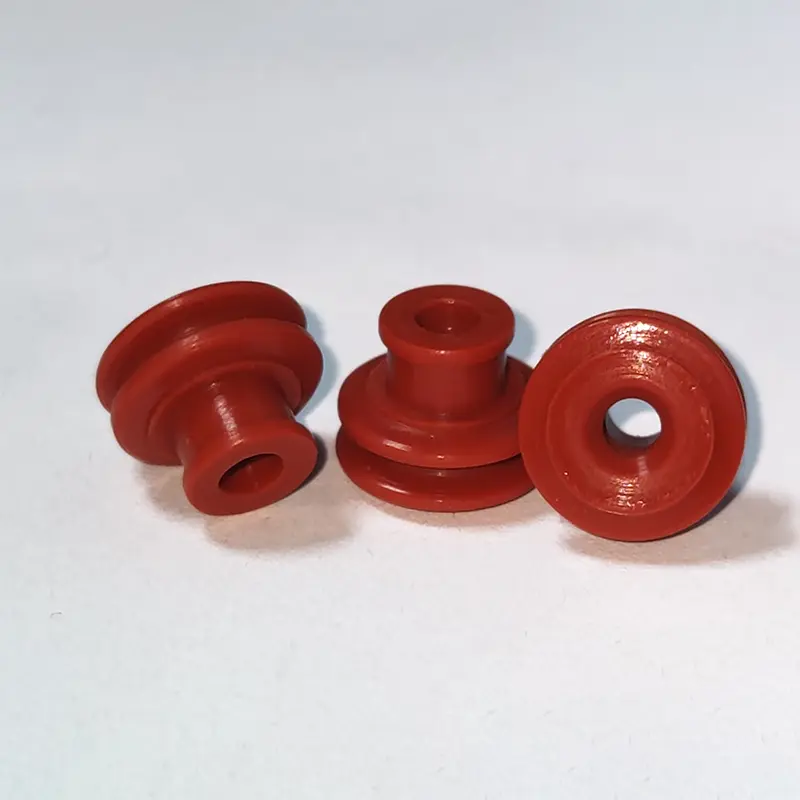
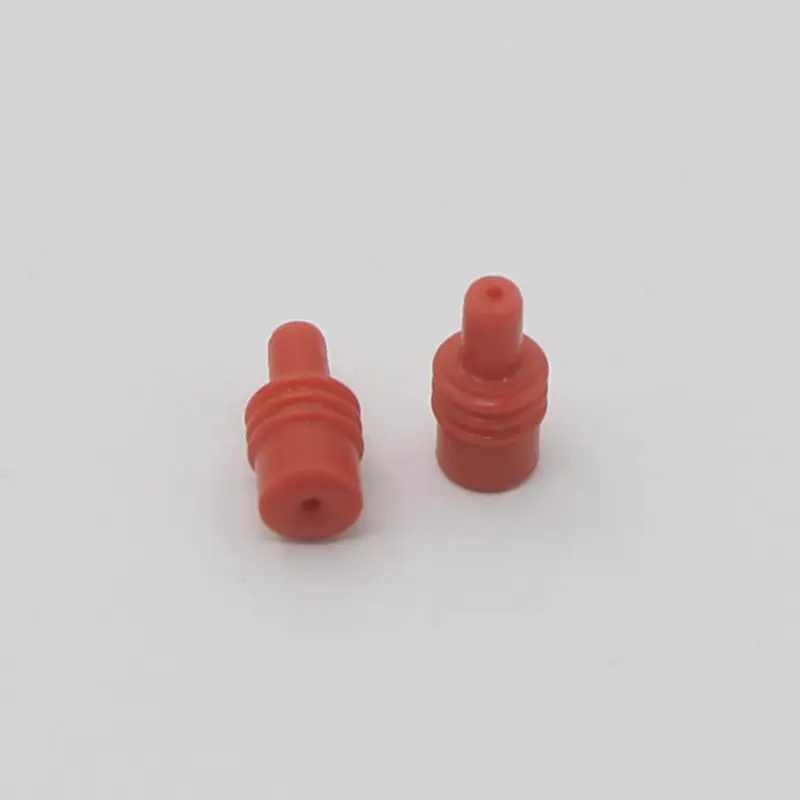
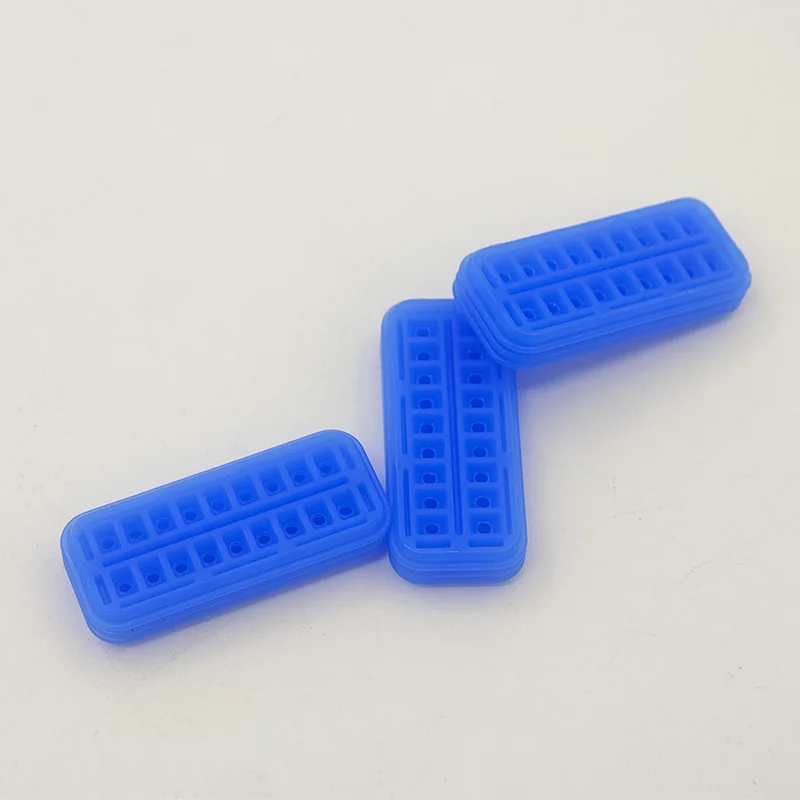
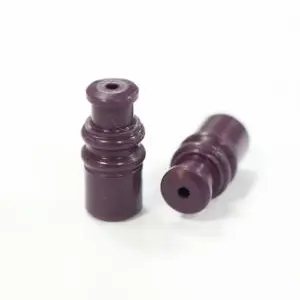
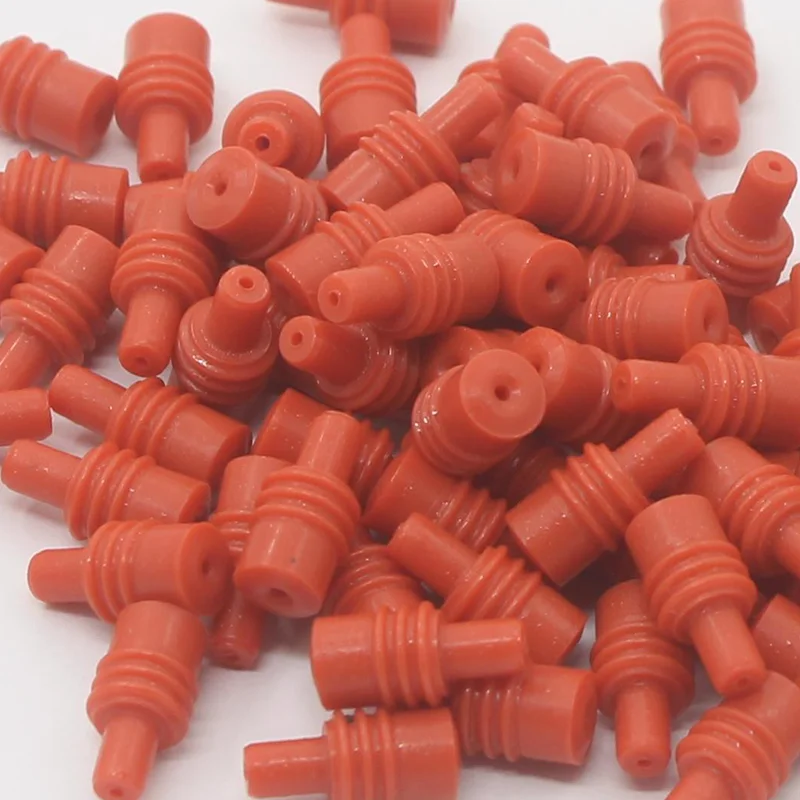
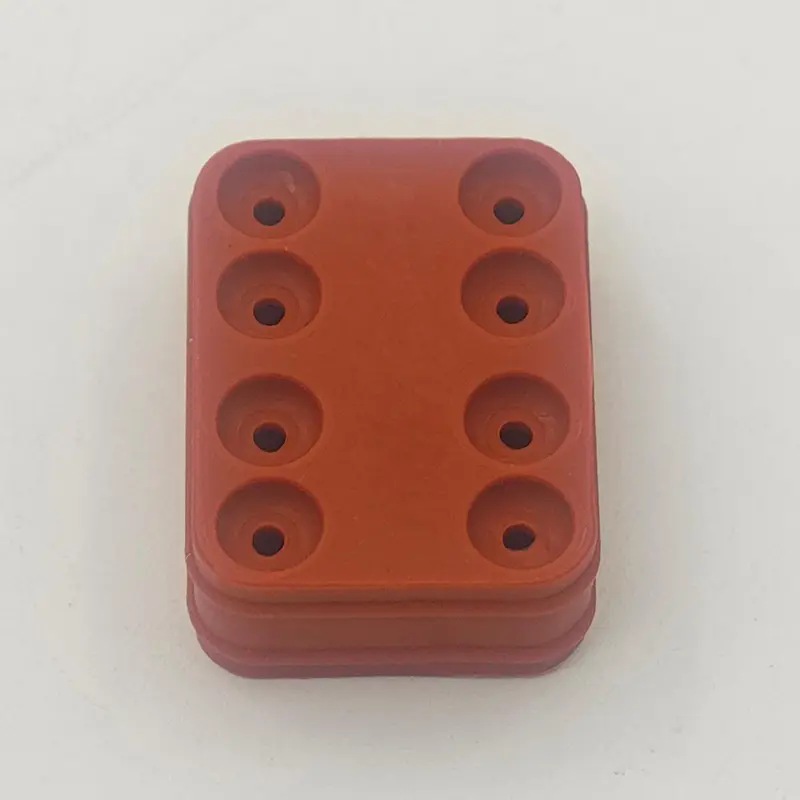
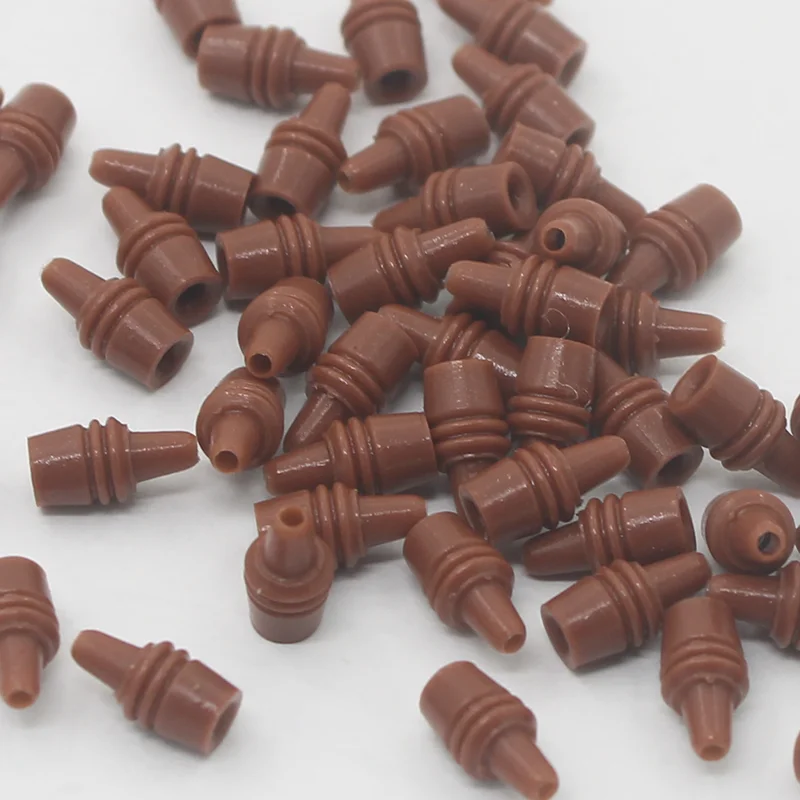
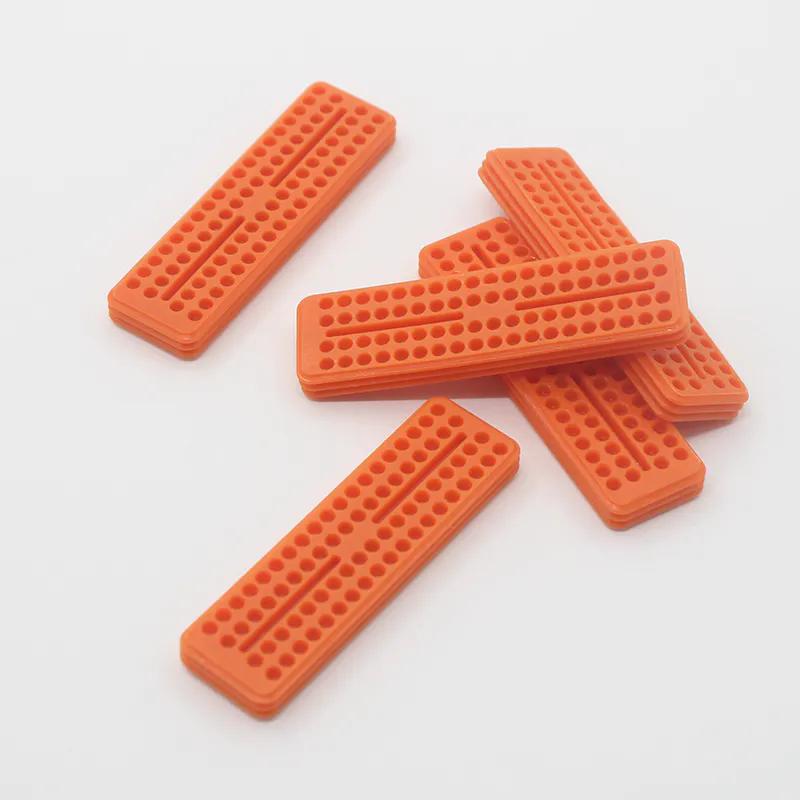
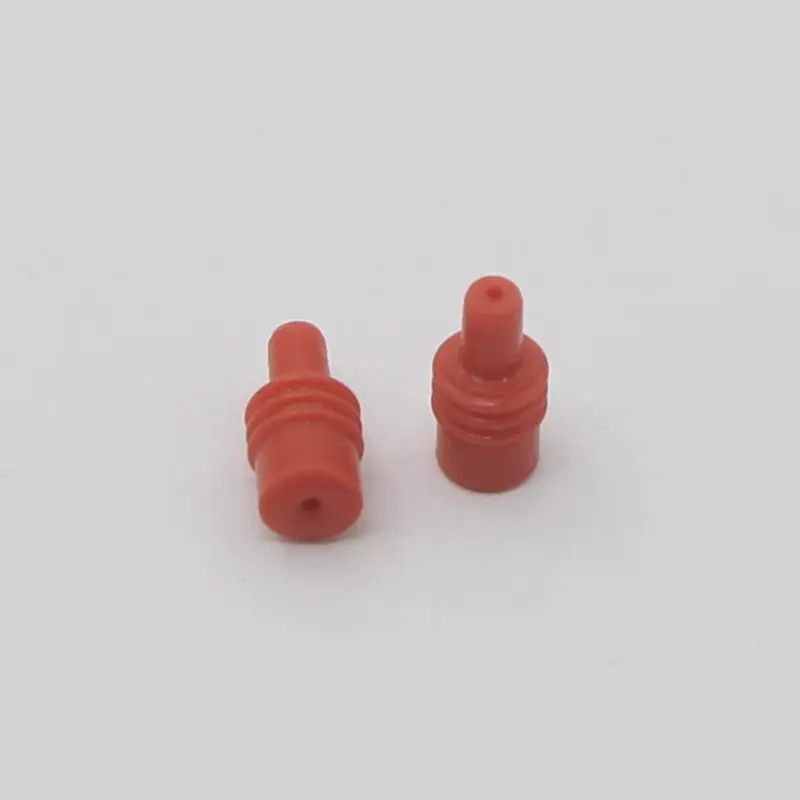
A connector seal is a precision-engineered rubber or elastomer component designed to create a tight barrier between connected parts. Its primary function is to prevent the ingress or egress of unwanted substances such as water, dust, oil, chemicals, or gases. Connector seals are widely used in electrical connectors, automotive wiring systems, industrial equipment, and fluid transfer assemblies.

By filling microscopic gaps between mating surfaces, connector seals maintain internal integrity even under pressure fluctuations, vibration, or temperature changes. This function is essential for ensuring stable performance in demanding operating environments.


Why Connector Seals Matter in Modern Systems

As systems become more compact and performance requirements increase, the margin for failure decreases. Connector seals serve as a frontline defense against external contamination and internal leakage.

  • They protect sensitive components from moisture and dust.
  • They help maintain consistent electrical conductivity.
  • They reduce corrosion and oxidation risks.
  • They extend the overall service life of assemblies.

In sectors such as automotive electronics, renewable energy, and industrial automation, a minor sealing failure can lead to system downtime, safety incidents, or costly recalls.


Common Customer Pain Points and Practical Solutions

Customer Pain Point Root Cause How Connector Seals Help
Water ingress Poor environmental sealing Creates a watertight barrier at connection points
Frequent maintenance Seal degradation Durable materials reduce replacement cycles
Electrical failure Corrosion on contacts Blocks moisture and corrosive agents
Vibration damage Mechanical stress Absorbs micro-movements and shock

By addressing these challenges at the sealing level, companies can significantly lower total operating costs while improving reliability.


Key Materials Used in Connector Seals

Material selection directly affects sealing performance, durability, and compatibility with operating conditions. Common materials include:

  • Silicone Rubber: Excellent temperature resistance and flexibility.
  • EPDM: Strong resistance to weathering, water, and aging.
  • Nitrile Rubber (NBR): Suitable for oil and fuel exposure.
  • Fluoroelastomers: Designed for harsh chemical environments.

Manufacturers such as Zhejiang Guoming Rubber Technology Co., Ltd. focus on precise material formulation to ensure stable performance across diverse industrial requirements.


Typical Application Scenarios

Connector seals are used across a wide range of industries:

  • Automotive wiring harnesses and sensors
  • Industrial control cabinets
  • Renewable energy equipment
  • Household appliances
  • Telecommunication infrastructure

Each application places unique demands on the seal, including temperature range, chemical exposure, and mechanical stress.


How to Choose the Right Connector Seal

Selecting an appropriate connector seal requires a systematic evaluation of operating conditions and performance expectations:

  1. Identify environmental exposure such as moisture, oil, or chemicals.
  2. Define temperature and pressure ranges.
  3. Confirm compatibility with connector design and tolerances.
  4. Assess expected service life and maintenance intervals.

Working with an experienced manufacturer can help avoid costly mismatches and ensure consistent quality.


Frequently Asked Questions

Can a connector seal be customized for specific designs?

Yes. Connector seals can be customized in shape, size, and material formulation to match unique connector structures and performance requirements.

How long does a connector seal typically last?

Service life depends on material choice and operating conditions. High-quality seals designed for the application can perform reliably for many years.

Do connector seals affect electrical performance?

Properly designed seals do not interfere with conductivity. Instead, they protect contacts from contamination that could degrade electrical performance.


Conclusion and Contact Information

Connector seals are small components with a significant impact on system reliability, safety, and lifecycle cost. Understanding how they function and how to select the right solution allows businesses to prevent failures before they occur. Zhejiang Guoming Rubber Technology Co., Ltd. provides engineered connector seal solutions designed to meet demanding industrial standards and application-specific requirements.

If you are evaluating connector seal solutions or need technical support for your application, contact us today to discuss how the right sealing design can improve your product performance and long-term reliability.

Related News
Leave me a message
X
We use cookies to offer you a better browsing experience, analyze site traffic and personalize content. By using this site, you agree to our use of cookies. Privacy Policy
Reject Accept