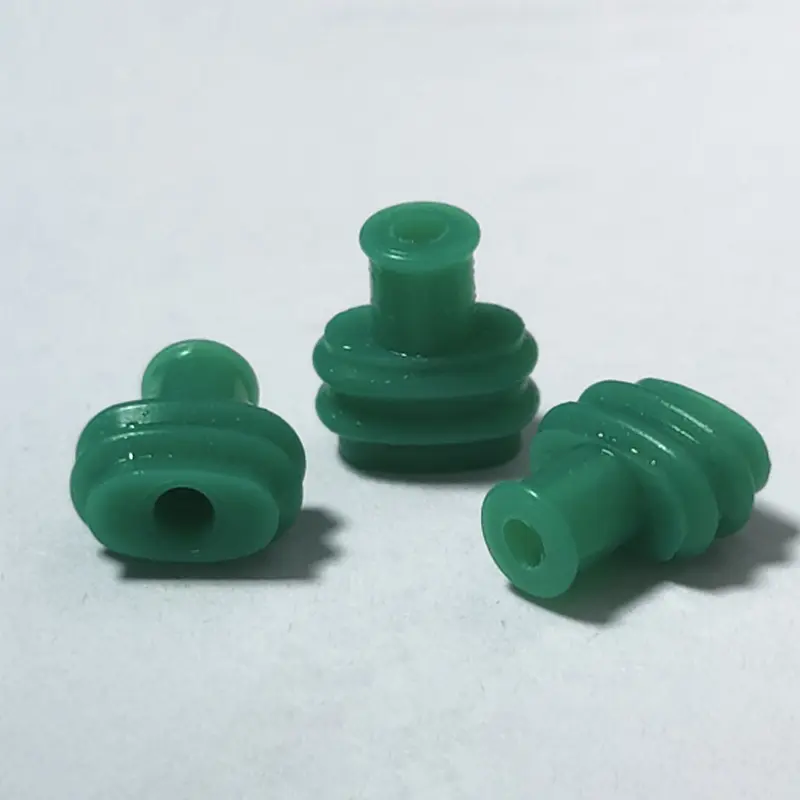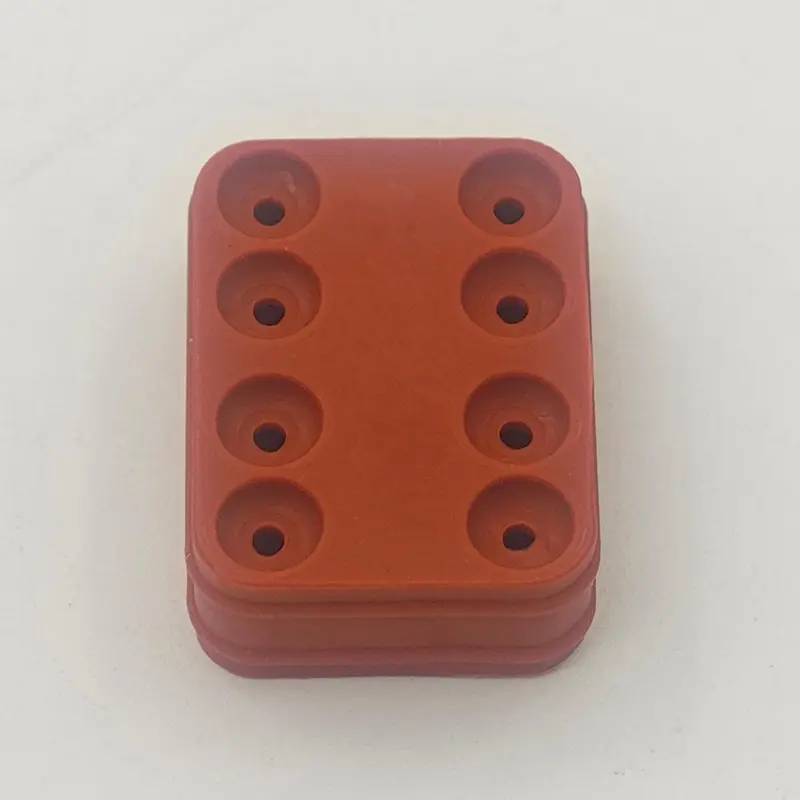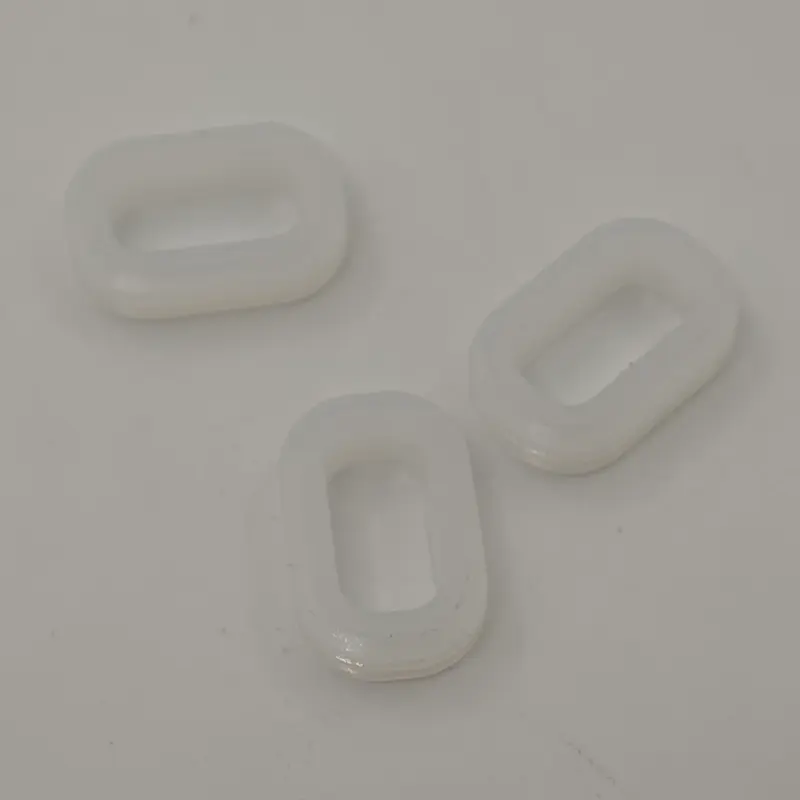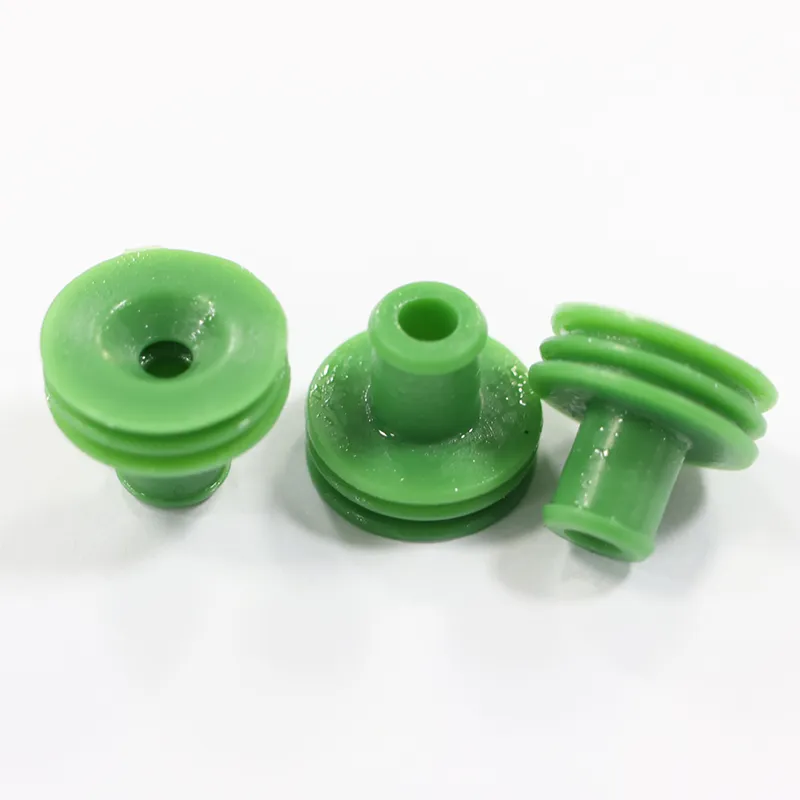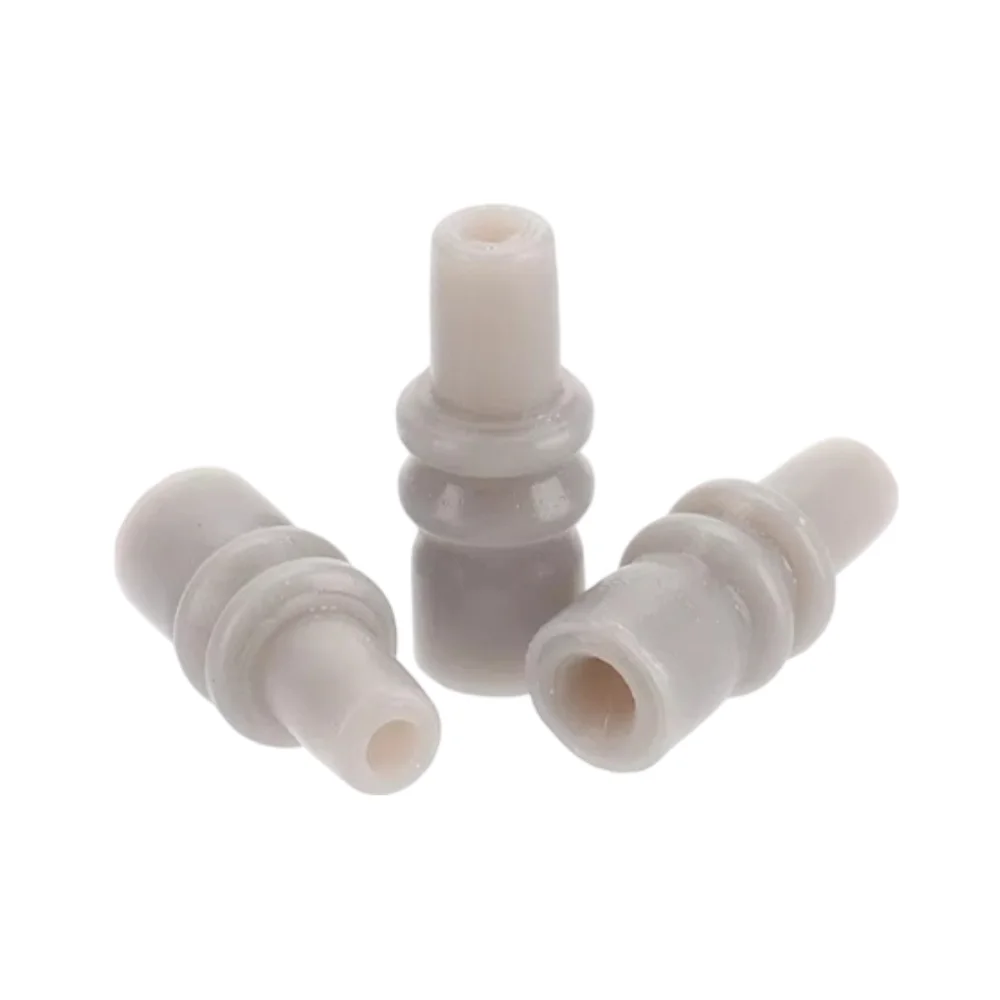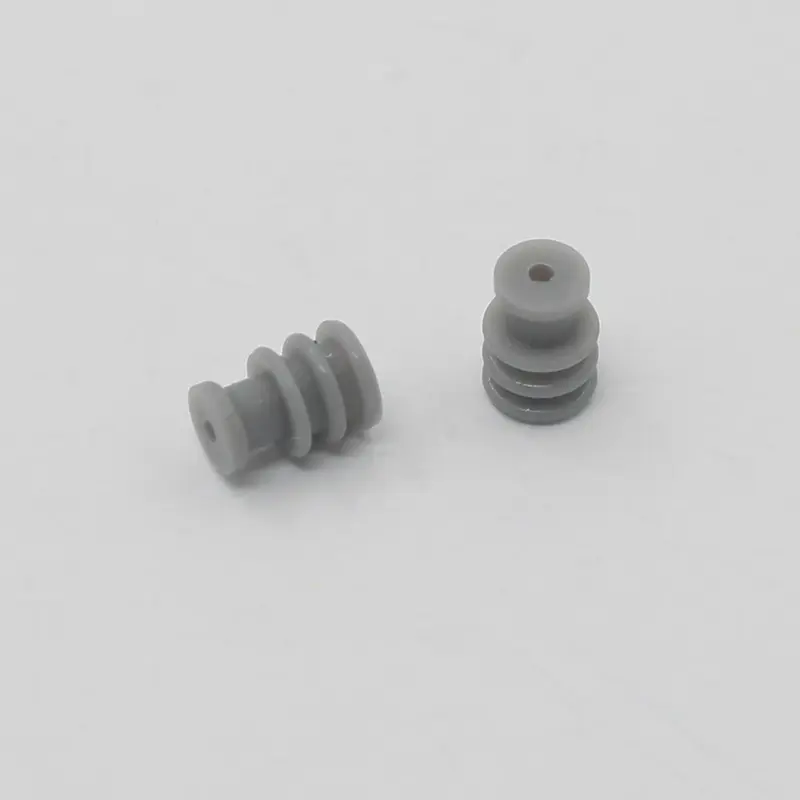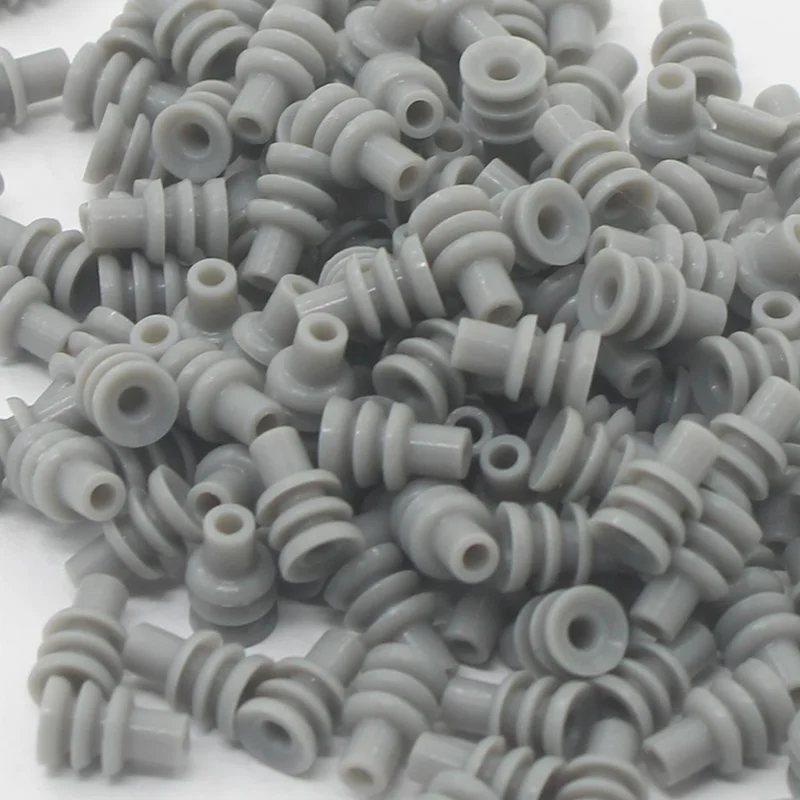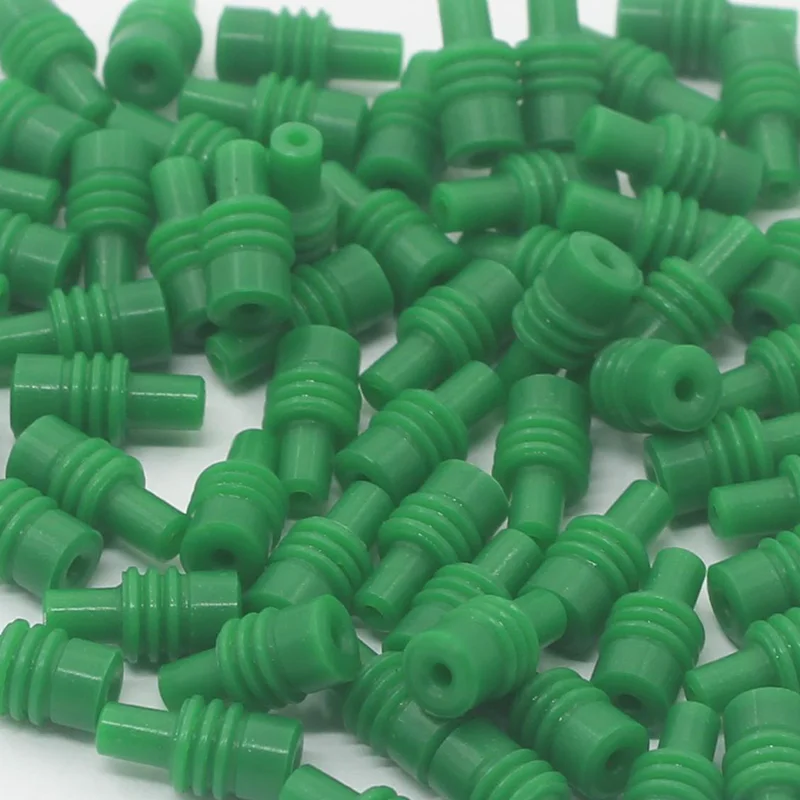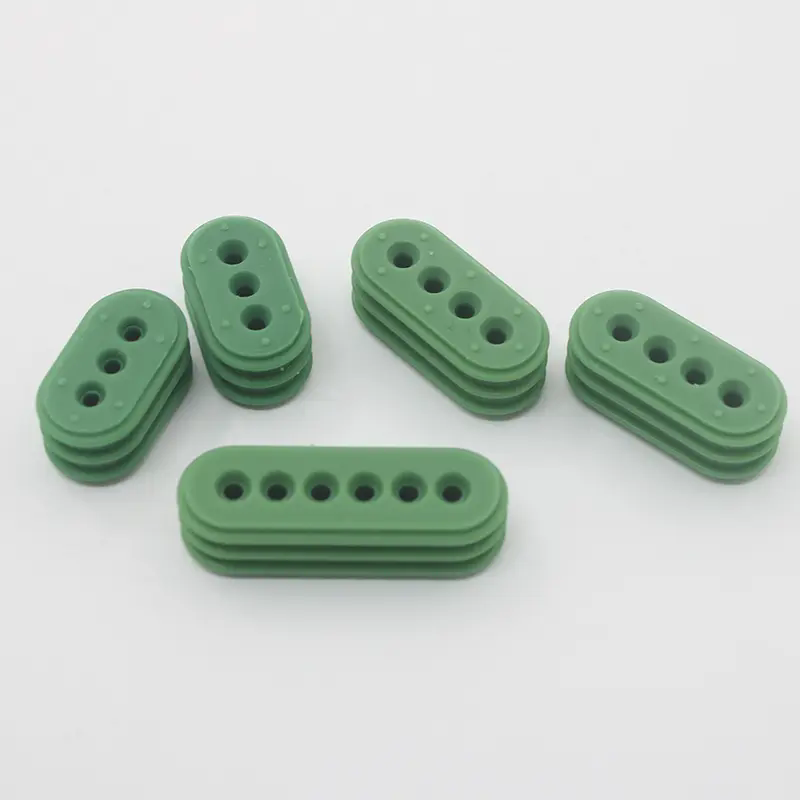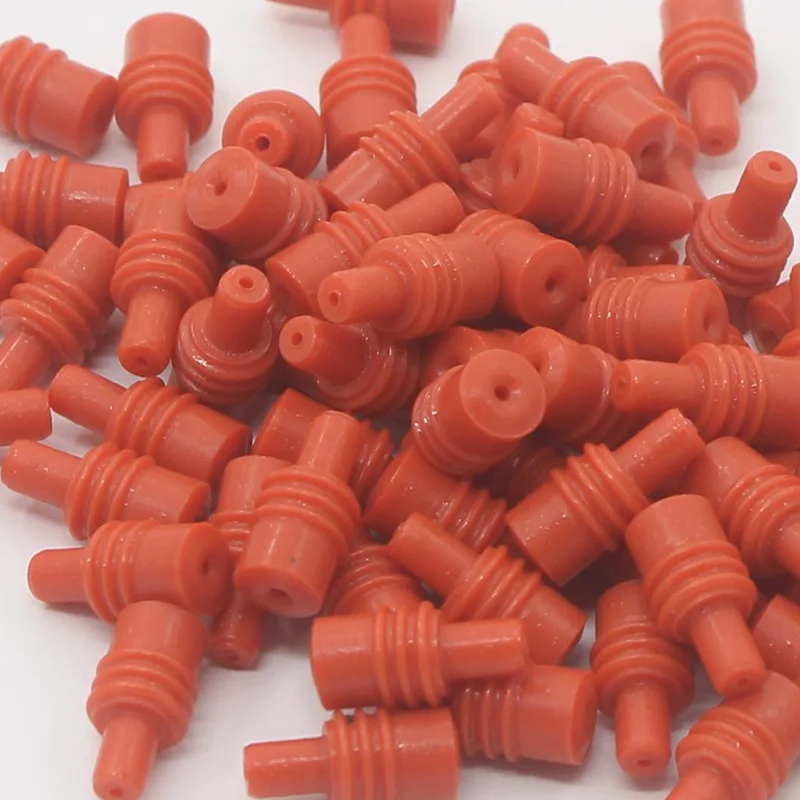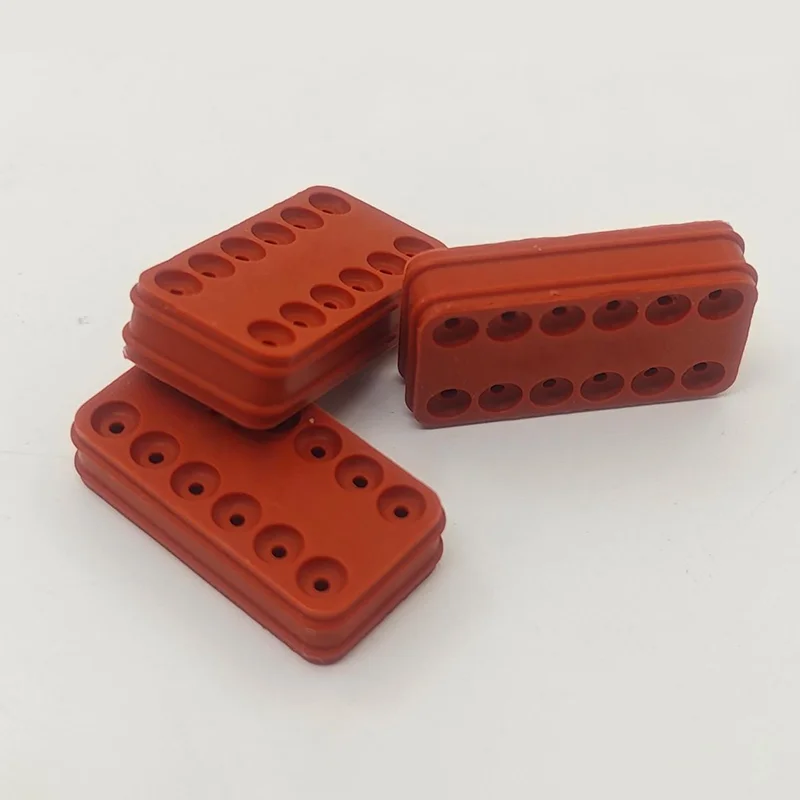
A 12 Pin Wire Seal for Electric Connector is a precision sealing component designed to protect individual wire entry points in multi-pin electrical connector systems. By creating a close seal around each cable, it helps reduce the risk of water, dust, oil, chemicals, and other contaminants reaching sensitive terminals. This article explains the structure, materials, functions, selection criteria, installation considerations, common applications, and purchasing factors that engineers and buyers should understand when specifying a 12-pin wire sealing solution.

Table of Contents
- What Is a 12 Pin Wire Seal for Electric Connector?
- How Is a 12 Pin Wire Seal Structured?
- What Does a 12 Pin Wire Seal Do?
- Which Materials Are Commonly Used?
- What Should Be Considered When Selecting One?
- Where Are 12 Pin Wire Seals Used?
- How Should a Wire Seal Be Installed?
- What Problems Can a Poorly Selected Seal Cause?
- How Does Custom Manufacturing Improve Connector Sealing?
- What Should Buyers Ask a Wire Seal Manufacturer?
- Frequently Asked Questions
- Final Considerations
What Is a 12 Pin Wire Seal for Electric Connector?
A 12 Pin Wire Seal for Electric Connector is a sealing component designed for an electrical connector containing twelve individual connection positions. Its primary purpose is to seal the area where wires pass into the connector housing, helping prevent unwanted substances from reaching the internal terminals.
Unlike the connector housing itself, a wire seal is normally a relatively small elastomeric component. Its performance depends heavily on dimensional accuracy, material characteristics, wire diameter compatibility, compression, and the geometry of the connector cavity.
In practical applications, the seal works together with the connector housing, terminals, wires, locking mechanisms, and other sealing elements. A complete sealing system therefore cannot be evaluated by the rubber component alone. The wire seal must match the connector design and the cable dimensions accurately.
For multi-pin electrical systems, sealing each wire entry point is particularly important because a small opening around a cable can become an entry path for moisture, dust, oil, or other contaminants. Over time, contamination can contribute to corrosion, unstable electrical performance, insulation problems, or premature component failure.
Key Point: A 12-pin wire seal is not simply a rubber ring. It is a precision sealing component that must work together with the connector housing and wire to create a reliable environmental barrier.
How Is a 12 Pin Wire Seal Structured?
A typical 12-pin connector sealing solution can contain multiple sealing areas corresponding to individual wire cavities. Depending on the connector design, the seal may be manufactured as an individual wire seal, a multi-cavity sealing component, or another specialized configuration.
The sealing area normally relies on controlled interference between the elastomer and the surrounding connector components. When the wire is inserted correctly, the sealing lip or sealing surface is compressed around the wire jacket while remaining securely positioned inside the connector cavity.
The most important structural factors usually include:
- Inner diameter: Must correspond closely to the applicable wire or cable diameter.
- Outer diameter: Must fit the connector cavity without excessive deformation.
- Sealing lips: Provide controlled contact around the wire surface.
- Retention features: Help keep the seal correctly positioned during assembly.
- Material thickness: Influences compression, flexibility, and long-term sealing behavior.
- Overall geometry: Must match the connector housing and terminal configuration.
Because small dimensional deviations can affect sealing performance, precision molding and consistent quality control are important for production applications.
What Does a 12 Pin Wire Seal Do?
The main function is to create an environmental barrier around the wire entry point. However, its practical value extends beyond simple waterproofing.
| Function | Purpose | Typical Benefit |
|---|---|---|
| Moisture protection | Limits water entering through wire openings | Reduces moisture-related electrical problems |
| Dust protection | Restricts particulate contamination | Helps maintain cleaner connector cavities |
| Contaminant resistance | Provides a barrier against selected environmental contaminants | Improves connector durability |
| Wire interface sealing | Maintains contact between the seal and wire jacket | Supports consistent environmental protection |
| Vibration support | Maintains sealing contact during mechanical movement | Helps reduce leakage caused by vibration |
| Temperature resistance | Maintains sealing properties within the specified temperature range | Supports operation in demanding environments |
The actual protection level depends on the complete connector system, including housing design, mating condition, wire dimensions, seal material, assembly quality, and testing requirements. Therefore, a seal should never be specified independently from its intended connector system.
Which Materials Are Commonly Used?
Material selection is one of the most important decisions when developing or purchasing a wire seal. Different electrical environments expose sealing components to different combinations of temperature, moisture, oils, chemicals, vibration, and mechanical stress.
| Material Type | Typical Characteristics | Potential Applications |
|---|---|---|
| Silicone Rubber | Flexible, good temperature performance, suitable for many electrical sealing applications | Automotive, sensors, electrical connectors |
| EPDM | Good weathering and environmental resistance | Outdoor and automotive applications |
| NBR | Useful where resistance to certain oils and petroleum-based substances is required | Industrial and automotive environments |
| FKM | High chemical and temperature resistance for demanding environments | Specialized automotive and industrial systems |
Silicone rubber is frequently considered for electrical connector sealing because its flexibility allows it to conform around wire jackets while maintaining sealing contact across temperature changes. However, the correct material should always be selected according to the actual operating environment rather than simply choosing the most commonly used option.
Material Selection Tip: Evaluate temperature, chemical exposure, compression behavior, wire jacket compatibility, expected service life, and environmental conditions together before confirming the rubber compound.
What Should Be Considered When Selecting One?
Choosing a 12-pin wire seal involves more than matching the number of connector positions. Buyers and engineers should confirm the complete dimensional and environmental requirements before placing a production order.
-
Wire diameter
Confirm the actual outside diameter of the wire insulation. A seal designed for a significantly different diameter may create insufficient compression or excessive assembly force. -
Connector cavity dimensions
The outer geometry of the seal must match the connector cavity accurately. -
Rubber material
Select the compound according to temperature, moisture, chemicals, oils, UV exposure, and other environmental factors. -
Hardness
Rubber hardness affects insertion force, compression, flexibility, and sealing contact. -
Temperature range
The expected minimum and maximum operating temperatures should be defined before material approval. -
Environmental protection requirement
Determine the required environmental protection level for the complete connector assembly. -
Assembly process
Manual insertion, automated harness assembly, terminal crimping, and connector mating can impose different requirements on the seal. -
Production volume
High-volume projects may justify dedicated tooling and optimized molding processes, while low-volume applications may require different development strategies.
Where Are 12 Pin Wire Seals Used?
A 12-pin sealing configuration can be used wherever multiple electrical circuits need to pass through a connector while maintaining environmental protection.
- Automotive wiring harnesses: Engine compartments, body electronics, lighting systems, sensors, control modules, and other vehicle electrical systems.
- Electric vehicles: Selected low-voltage electrical interfaces, sensors, control systems, and auxiliary electrical equipment.
- Industrial equipment: Machinery, automation systems, control cabinets, sensors, motors, and mobile equipment.
- Agricultural machinery: Equipment exposed to mud, rain, dust, vibration, and temperature changes.
- Construction machinery: Heavy equipment requiring durable electrical connections in demanding outdoor environments.
- Outdoor electrical systems: Equipment exposed to rain, dust, humidity, and changing environmental conditions.
- Specialized electronic equipment: Applications requiring compact multi-circuit wiring with environmental sealing.
The exact application determines the required material, dimensions, sealing structure, and validation method. A component suitable for a protected indoor control system may not be suitable for an exposed engine compartment or heavy-duty outdoor machine.
How Should a Wire Seal Be Installed?
Correct installation is essential because even a high-quality seal can lose its effectiveness if it is damaged, incorrectly positioned, or paired with an unsuitable wire.
- Inspect the seal: Check for cuts, cracks, deformation, flash, contamination, or other visible defects.
- Confirm wire compatibility: Verify that the wire diameter corresponds to the specified sealing range.
- Prepare the wire: Ensure the wire jacket is clean and undamaged.
- Position the seal correctly: Make sure the sealing component is oriented according to the connector design.
- Insert the terminal carefully: Avoid tearing or rolling the sealing lip during terminal insertion.
- Verify terminal retention: Confirm that the terminal has reached the correct position and locking mechanism.
- Inspect the final assembly: Check the seal position and connector mating condition before testing.
For automated production, the seal should also be evaluated for compatibility with insertion equipment, tooling, assembly speed, and lubrication requirements. Excessive insertion force can damage the seal or wire, while insufficient compression can reduce environmental protection.
What Problems Can a Poorly Selected Seal Cause?
Many connector sealing problems originate from a mismatch between the seal and the actual application rather than from the concept of the sealing system itself.
| Potential Problem | Possible Cause | Recommended Prevention |
|---|---|---|
| Water or moisture ingress | Incorrect dimensions or insufficient compression | Verify wire and cavity dimensions |
| Seal tearing | Excessive insertion force or sharp edges | Review assembly tooling and component geometry |
| Wire movement | Poor retention or unsuitable sealing structure | Check connector and seal compatibility |
| Hardening or cracking | Material unsuitable for the operating environment | Select a compatible rubber compound |
| Excessive assembly force | Wrong seal size or excessive interference | Optimize dimensions and hardness |
| Premature seal deformation | Long-term compression or temperature exposure | Evaluate compression behavior and service conditions |
These issues demonstrate why purchasing decisions should be based on complete technical specifications rather than price or appearance alone.
How Does Custom Manufacturing Improve Connector Sealing?
Standard sealing components are practical when the connector and wire dimensions already match an established design. However, many OEM and industrial projects require customized geometry because of special connector cavities, unusual wire diameters, limited installation space, or demanding environmental conditions.
Custom manufacturing allows the sealing profile, dimensions, material, hardness, color, and production process to be developed around the customer's application.
For example, a customized 12-pin wire seal project may require:
- Customized inner diameters for different wire specifications
- Special outer geometry for a proprietary connector housing
- Different sealing lip designs
- Specific rubber hardness
- Customized colors for circuit identification
- Material selection based on temperature or chemical exposure
- Tooling developed from drawings, samples, or 3D data
- Consistent dimensional control for high-volume production
Zhejiang Guoming Rubber Technology Co., Ltd. can be considered when sourcing customized rubber sealing components for electrical connector applications. For OEM projects, providing complete technical information at the beginning of development can help reduce unnecessary sampling cycles and improve communication between the connector designer, seal manufacturer, and assembly team.
What Should Buyers Ask a Wire Seal Manufacturer?
Before selecting a supplier, purchasing teams should establish a clear technical checklist. This helps prevent a component that looks correct from being used in an unsuitable application.
✓ What rubber materials are available?
✓ What wire diameter range can the seal accommodate?
✓ Can the supplier manufacture according to drawings or samples?
✓ Can the supplier develop custom tooling?
✓ What dimensional tolerances can be maintained?
✓ What temperature and environmental conditions has the material been designed for?
✓ Can production samples be provided before mass production?
✓ What quality inspection procedures are available?
✓ Can the supplier support large-volume OEM production?
✓ Can the supplier provide consistent batch-to-batch quality?
For industrial and automotive programs, buyers should also consider production consistency, traceability, technical communication, tooling management, packaging, delivery capability, and long-term supply stability.
A reliable supplier relationship should extend beyond the first sample. Long-term connector performance depends on maintaining stable material properties, dimensional accuracy, and production controls across multiple batches.
Frequently Asked Questions
What is the main purpose of a 12 Pin Wire Seal for Electric Connector?
Its primary purpose is to seal wire entry points in a 12-position electrical connector and reduce the penetration of water, dust, and other environmental contaminants into the connector system.
Is silicone rubber suitable for a 12-pin wire seal?
Silicone rubber can be suitable for many electrical connector sealing applications because of its flexibility and temperature performance. However, the final material choice should be based on the actual temperature, chemical, mechanical, and environmental requirements.
Does a 12-pin wire seal make the entire connector waterproof?
Not by itself. Environmental protection depends on the complete connector assembly, including the housing, terminals, wire seals, mating surfaces, plugs, locking features, and assembly quality.
Can a 12-pin wire seal be customized?
Yes. Depending on the manufacturer and application, dimensions, sealing profiles, material, hardness, color, and other characteristics can be customized according to engineering requirements.
How do I choose the correct wire seal size?
Start with the actual wire outside diameter and connector cavity dimensions. The seal should provide appropriate compression without creating excessive insertion force or damaging the wire jacket.
Can wire seals be used in automotive applications?
Yes. Wire seals are widely used as part of sealed automotive connector and wiring harness systems. The appropriate material and design depend on the vehicle location and environmental conditions.
Why is rubber hardness important?
Hardness influences flexibility, compression, insertion force, sealing contact, and long-term deformation behavior. The appropriate hardness should be determined together with the connector design and wire dimensions.
What information should I provide for a custom wire seal quotation?
Useful information includes drawings, samples, connector cavity dimensions, wire diameter, material requirements, operating temperature, environmental conditions, expected quantity, application, and any required testing or quality specifications.
Final Considerations
A 12 Pin Wire Seal for Electric Connector is a small component with an important role in the reliability of a multi-circuit electrical connection. Its effectiveness depends on the interaction between material, geometry, wire size, connector cavity, compression, assembly process, and environmental conditions.
For engineering teams, the most important step is to define the complete operating environment before selecting the sealing material and dimensions. For purchasing teams, supplier capabilities, manufacturing consistency, customization support, and quality control should be considered alongside unit price.
When a standard component cannot satisfy the requirements, an OEM-designed wire seal can provide a more precise fit for the connector system. Working directly from engineering drawings, samples, or dimensional specifications can also help manufacturers develop a sealing solution that is better aligned with the final application.
Need a Customized 12 Pin Wire Seal Solution?
If your project requires a customized 12 Pin Wire Seal for Electric Connector, professional material selection, precision dimensions, or OEM rubber sealing components, Zhejiang Guoming Rubber Technology Co., Ltd. can support your project from specification review and sample development to production.
Contact us with your drawings, samples, wire specifications, connector dimensions, application requirements, and estimated order quantity to discuss a suitable wire sealing solution for your project.