
Table of Contents
1. The Visual and Functional Imperative of Color in Seals
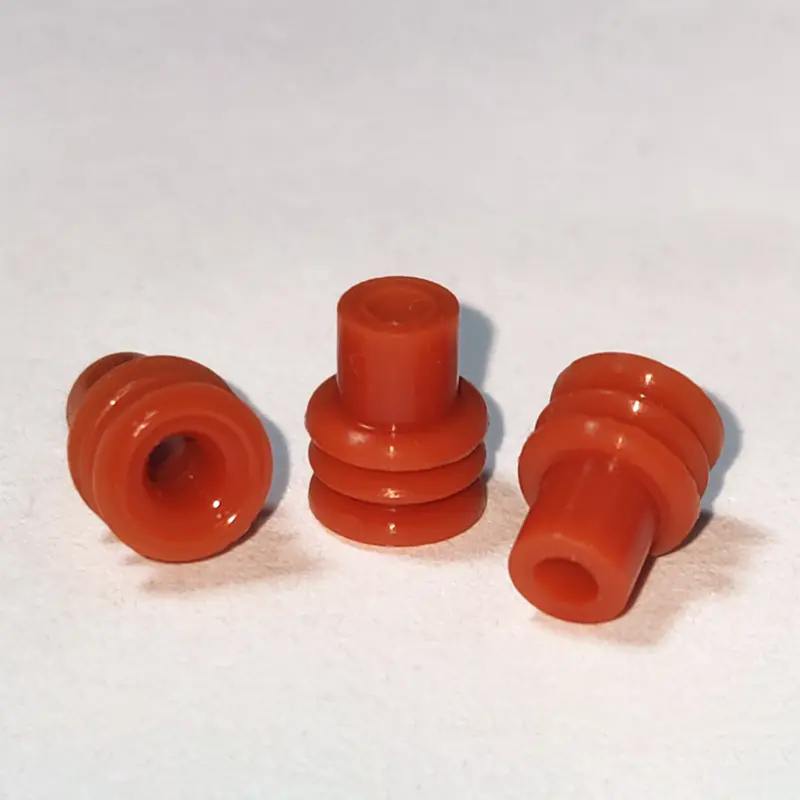
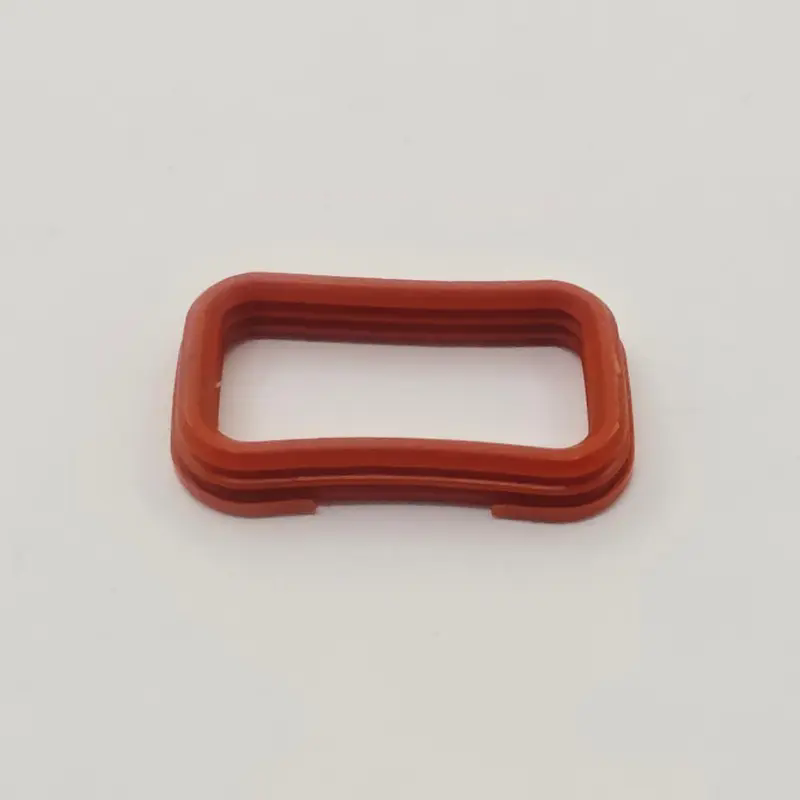
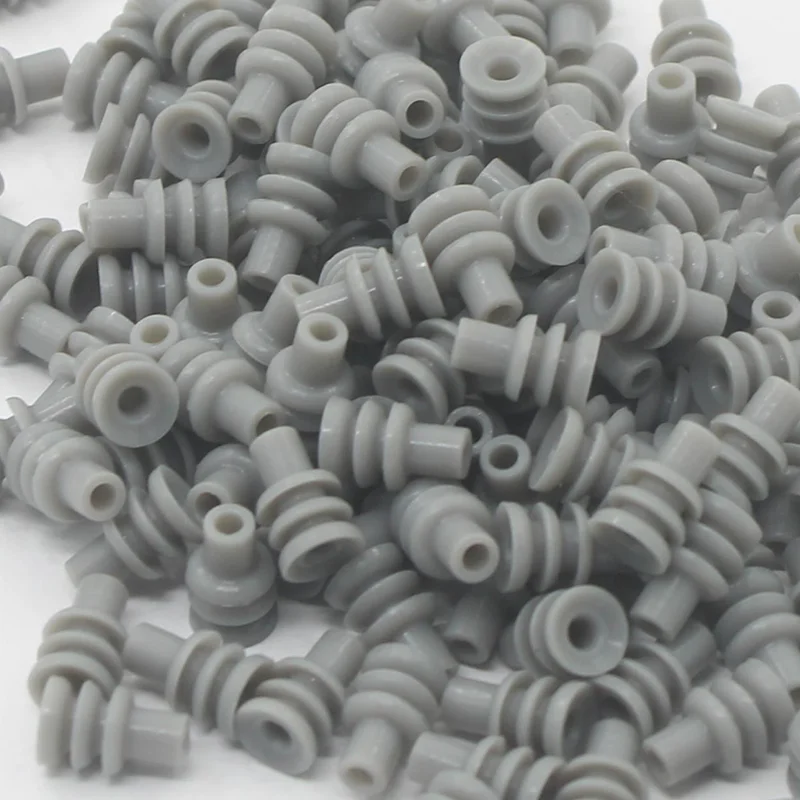
Color is often the first attribute noticed in a component, but for engineering seals, it serves a dual purpose: quick identification and sometimes, a marker of specific material properties. While traditional seals come in black or translucent, the Yellow Silicone Connector Seal stands out with its vivid hue, offering immediate visual differentiation on assembly lines and during maintenance checks. This is especially valuable in complex harnesses or multi-connector systems where misidentification could lead to costly errors.
Beyond visual distinction, the yellow coloration can also signal specific performance attributes, such as high-temperature resistance or compatibility with certain fluids. Manufacturers often use color coding to indicate material grade, durometer, or intended service environment. The choice of yellow is not arbitrary; it provides high contrast against most backgrounds and is easily spotted in low-light conditions, aiding in safety inspections and quality control procedures.
However, the real value of a Yellow Silicone Connector Seal lies not just in its appearance, but in the underlying silicone elastomer. Silicone offers a unique combination of thermal stability, chemical inertness, and flexibility that makes it ideal for sealing applications where other rubbers would fail. The yellow pigment is carefully compounded to ensure it does not compromise the material’s integrity or performance.
2. Decoding the Material: Why Silicone for Connector Seals?
Silicone elastomers are not a single material but a family of synthetic rubbers with a backbone of alternating silicon and oxygen atoms. This unique chemistry imparts properties that are distinctly different from hydrocarbon-based rubbers like nitrile (NBR) or EPDM. For connector seals, which must often withstand wide temperature swings, exposure to oils, and persistent compression, silicone is a natural choice.
One of the most celebrated attributes of silicone is its extraordinary temperature resistance. A high-quality silicone seal can function continuously from -60°C to +230°C, and even higher for short durations. This makes it indispensable in automotive engine compartments, industrial ovens, and outdoor electrical enclosures where seasonal extremes are the norm. The yellow silicone connector seal retains its elasticity across this entire range, preventing leakage and maintaining a tight seal.
Another critical factor is compression set resistance. A seal that loses its rebound after prolonged compression will eventually leak. Silicone exhibits excellent recovery, even after years of being compressed in a connector assembly. This is particularly important in applications where the connector may be mated and unmated multiple times during its lifecycle. The inherent lubricity of silicone also reduces insertion forces, protecting delicate connector pins.
3. Key Performance Attributes of Yellow Silicone Connector Seals
When evaluating a Yellow Silicone Connector Seal, several performance metrics stand out. These attributes are not just laboratory numbers — they translate directly to field reliability and system longevity.
Temperature Extremes
As mentioned, silicone’s thermal stability is unmatched among common elastomers. Whether it’s a cold start in an Alaskan winter or a summer heat soak under the hood, the seal remains pliable and effective. This reduces the risk of embrittlement, cracking, or softening that can plague other materials.
Chemical and Fluid Resistance
Silicone is generally resistant to many fluids, including water, salt solutions, and some oils. It is also highly ozone and UV resistant, making it suitable for outdoor applications. While it may not be suitable for petroleum-based fuels over long periods, its resistance to aqueous solutions and mild chemicals covers a vast range of industrial and consumer applications.
Electrical Insulation
Silicone is a natural electrical insulator. In connector applications, this property helps prevent unintended current leakage and ensures signal integrity. The yellow silicone connector seal contributes to the overall insulation system, especially in high-voltage environments.
Durability and Longevity
Silicone seals are known for their long service life, often exceeding the lifespan of the equipment they protect. They resist aging, moisture absorption, and fungal growth, which are common failure modes in other rubber types. This translates to fewer replacements and lower total cost of ownership.
4. Critical Applications Across Industries
The versatile properties of the yellow silicone connector seal make it a staple in numerous sectors. Its distinctive color often aids in quick identification, which is crucial in high-stakes environments.
Automotive and Electric Vehicles
Modern vehicles contain hundreds of connectors. Yellow silicone seals are used in battery packs, electric motor controllers, and sensor connectors. Their high-temperature stability and dielectric strength are critical in EV powertrains, where thermal management is a key concern. The yellow color helps technicians quickly locate specific connectors during assembly or service.
Industrial Automation and Robotics
In factories, connectors are exposed to oils, coolants, and vibration. Silicone seals provide reliable protection in these challenging conditions. Yellow seals help distinguish between different signal or power levels, reducing wiring errors.
Medical Devices
Silicone is biocompatible and can be sterilized, making it suitable for medical connectors. Yellow seals may be used in diagnostic equipment or handheld devices where visibility and hygiene are paramount.
Marine and Offshore
Exposure to saltwater and UV radiation demands materials that can resist corrosion and degradation. Silicone seals excel in these environments, and the yellow color aids in visual inspections on ships or offshore platforms.
| Industry | Typical Application | Critical Benefit of Yellow Silicone Seal |
|---|---|---|
| Automotive / EV | Battery connectors, sensor ports | High heat resistance, clear identification |
| Industrial Automation | Control cabinet connectors, M12/M8 | Chemical resistance, color coding |
| Medical | Diagnostic equipment, handheld devices | Biocompatibility, easy sterilization |
| Marine/Offshore | Deck connectors, underwater systems | UV/salt resistance, long life |
| Aerospace | Avionics connectors | Lightweight, extreme temperature performance |
5. Comparative Analysis: Silicone vs. Alternative Elastomers
To appreciate the value of the Yellow Silicone Connector Seal, it is helpful to compare it against other common sealing materials such as Nitrile (NBR), EPDM, and Fluoroelastomer (FKM).
Compared to NBR, silicone offers far superior temperature range (NBR typically works between -30°C and +100°C). While NBR excels in petroleum oil resistance, silicone is preferred in applications with high heat, ozone, or wide temperature swings. Silicone also has better flexibility at low temperatures.
EPDM is known for weather resistance but lacks silicone’s high-temperature stability. Silicone also has better compression set resistance than EPDM, making it more reliable for long-term sealing. However, EPDM is often cheaper, which may influence material choice for less demanding applications.
FKM (Viton) offers exceptional chemical and high-temperature resistance, often exceeding silicone in oil and fuel compatibility. However, FKM is significantly more expensive and has poorer low-temperature performance. For applications where fluids are not extremely aggressive and the temperature range is wide, silicone provides a cost-effective and technically superior solution.
6. Frequently Asked Questions
A high-quality yellow silicone connector seal can operate continuously from -60°C to +230°C, with short-term excursions up to +260°C possible, depending on the specific compound.
While it provides high visibility for identification, the yellow pigment is also formulated to withstand UV radiation and high temperatures without fading. In some industries, yellow is used to indicate a specific hardness grade or to denote compliance with a particular standard.
Silicone has moderate resistance to petroleum-based oils. For applications involving direct fuel contact, a fluorosilicone or FKM seal may be recommended. However, for engine oil and coolant splash, silicone performs well.
Silicone is known for its excellent compression set resistance. After prolonged compression, it retains most of its original shape and sealing force, ensuring a leak‑free connection over many years.
Yes, when manufactured from FDA-compliant or medical-grade silicone compounds. Such seals are used in food processing equipment and medical diagnostic connectors. It is essential to specify the correct grade for the intended application.