Follow Us:

News

How Waterproof Single Wire Seal Blue Improves Automotive Connector Protection

2026-11-25 0 Leave me a message

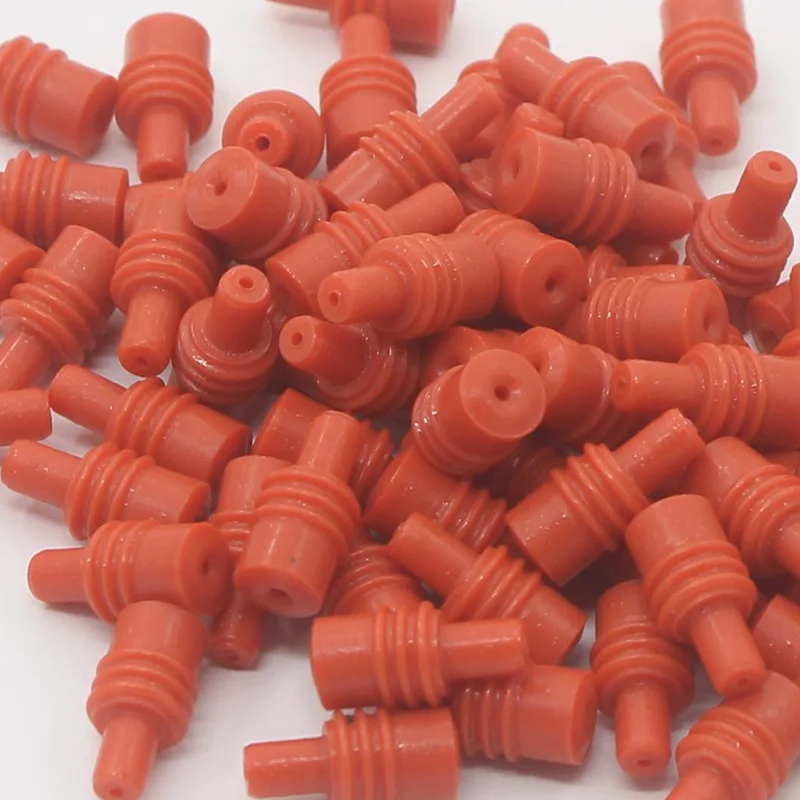
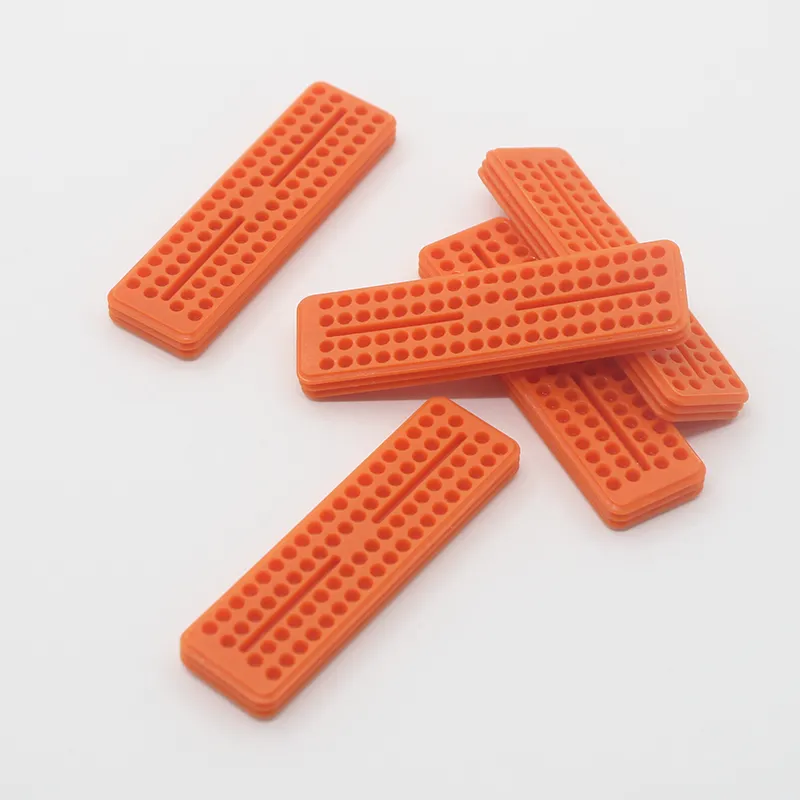
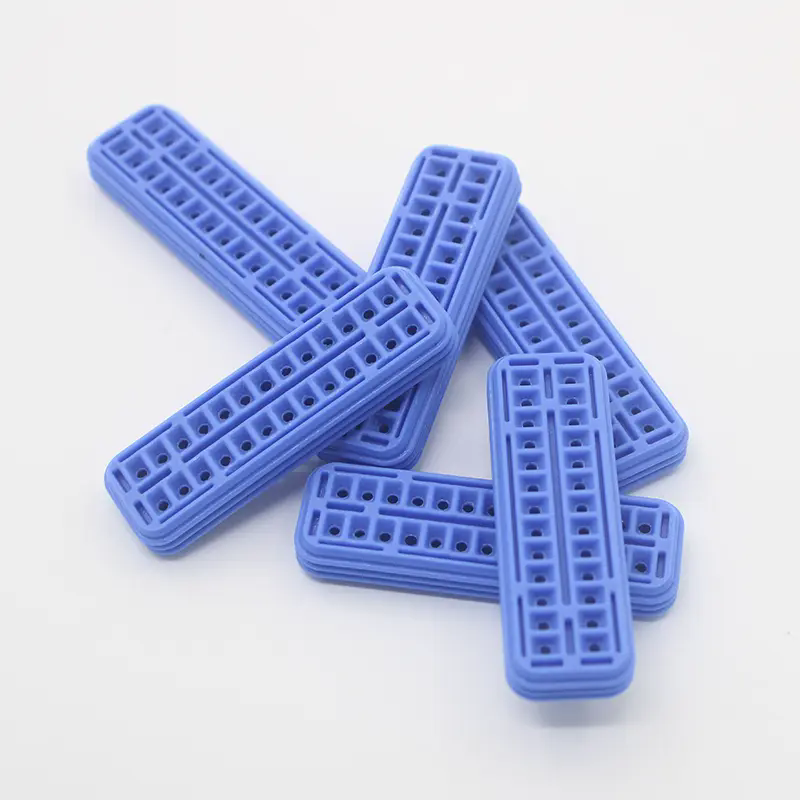
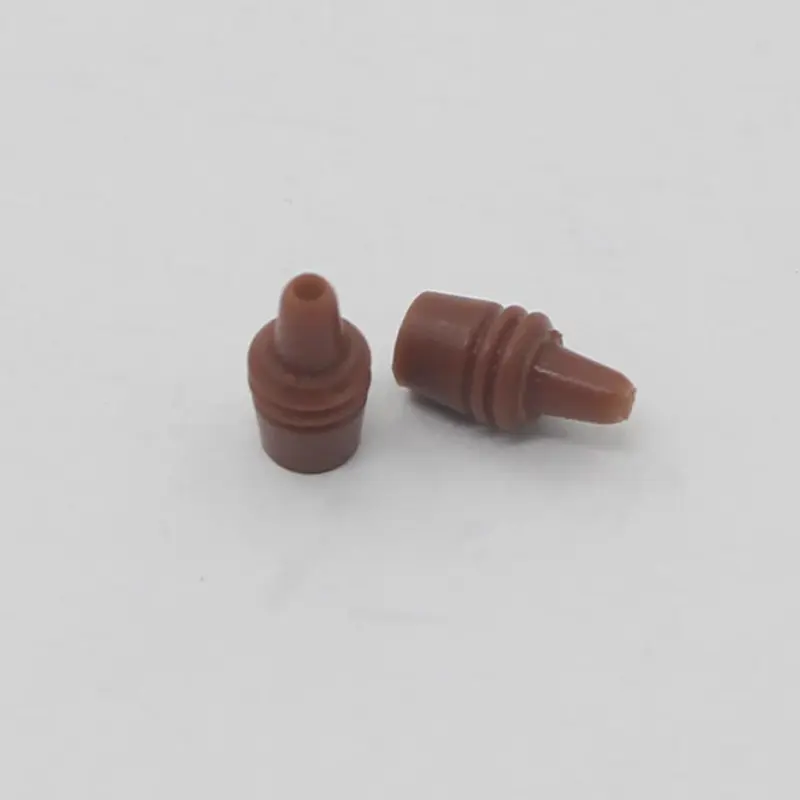
As automotive electrical systems become increasingly complex, reliable moisture protection is essential for maintaining stable electrical connections. From engine compartments to exterior lighting assemblies, wiring connectors are regularly exposed to water, dust, temperature fluctuations, and vibration. The Waterproof Single Wire Seal Blue is one of the sealing components used in automotive connector systems to reduce the risk of moisture entering individual wire interfaces.

Why Individual Wire Sealing Matters

Automotive connectors often contain multiple terminals arranged within a compact housing. Although the connector housing provides structural protection, small gaps around individual wires can create potential paths for water and contaminants. These gaps may allow moisture to reach terminal contact areas, increasing the possibility of corrosion, electrical instability, and connection failure.

Individual wire seals address this challenge by forming a protective barrier around the outer insulation of each wire. Their function is particularly important in applications where connectors are exposed to road spray, rainwater, condensation, or occasional cleaning processes. By limiting water penetration through wire entry points, sealing components contribute to the overall environmental protection of electrical assemblies.

Structure and Working Principle

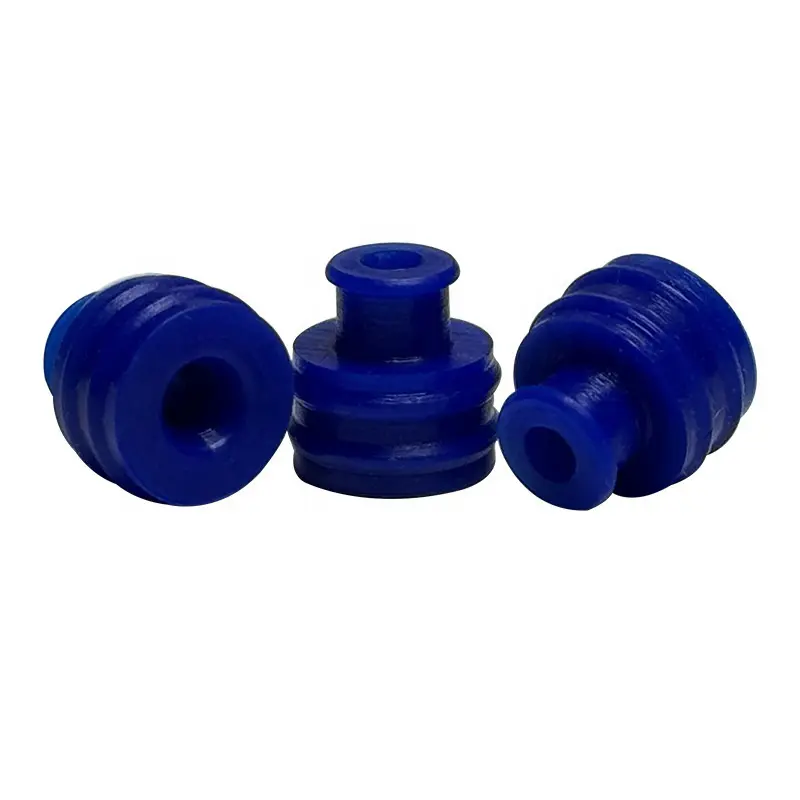
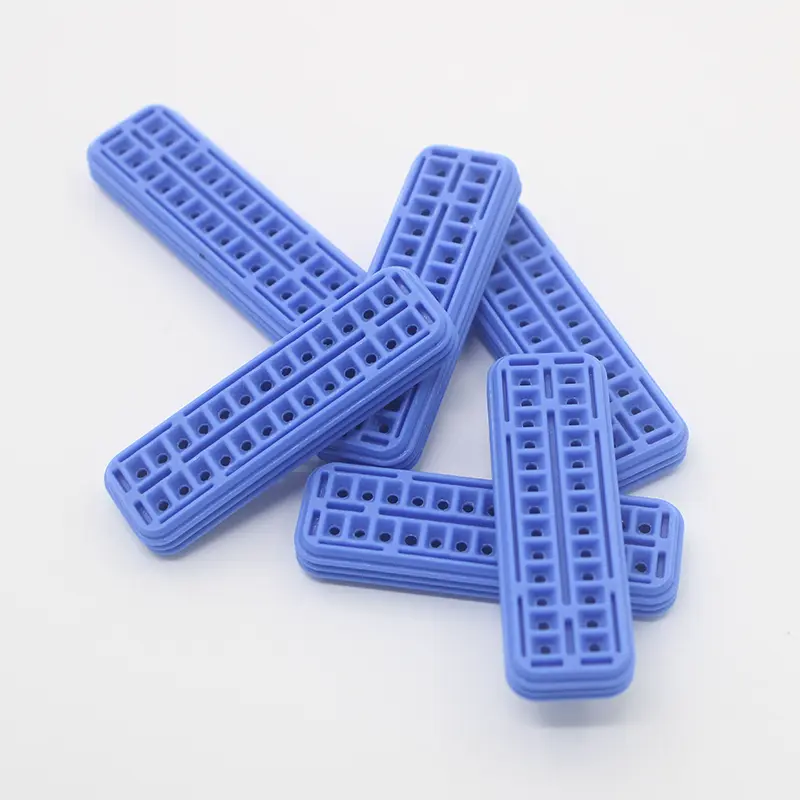
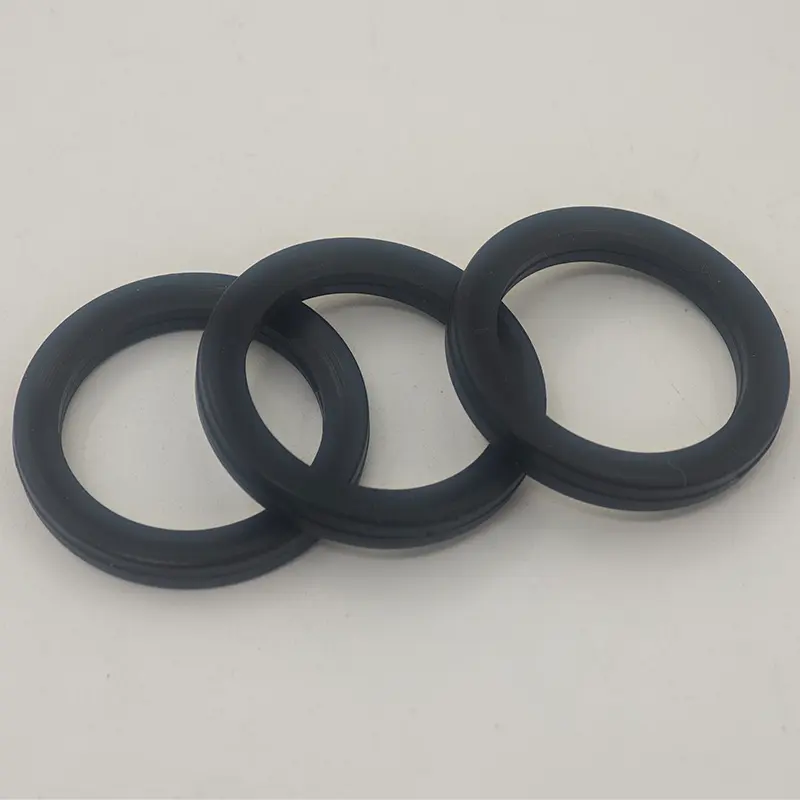
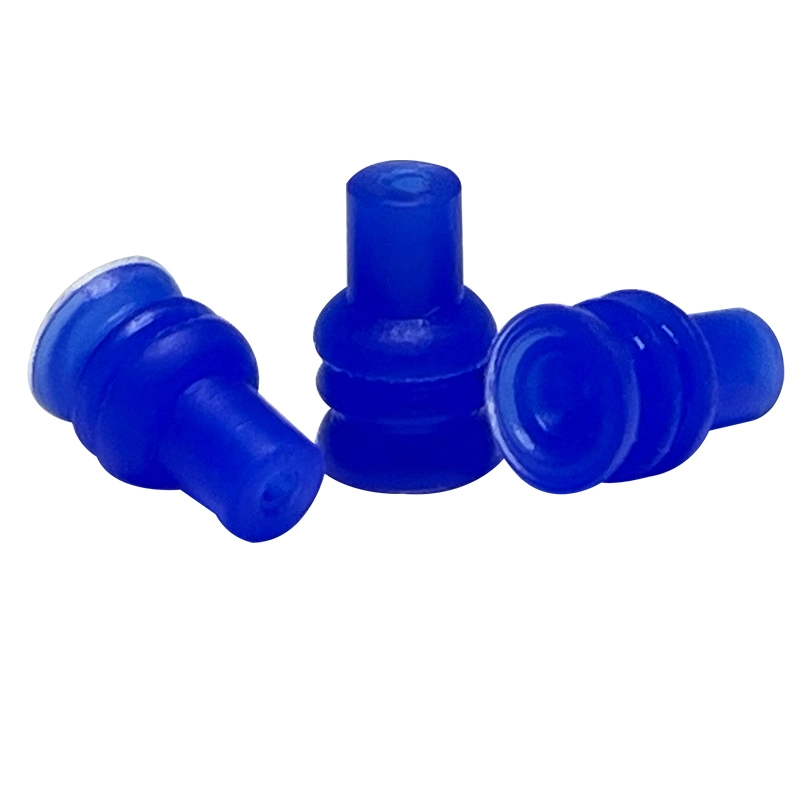
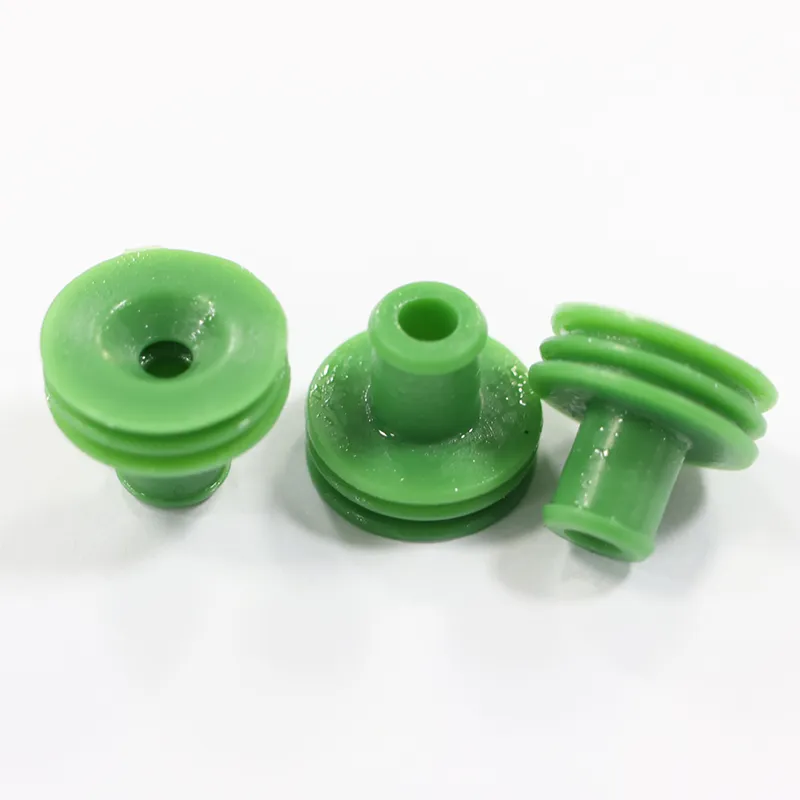
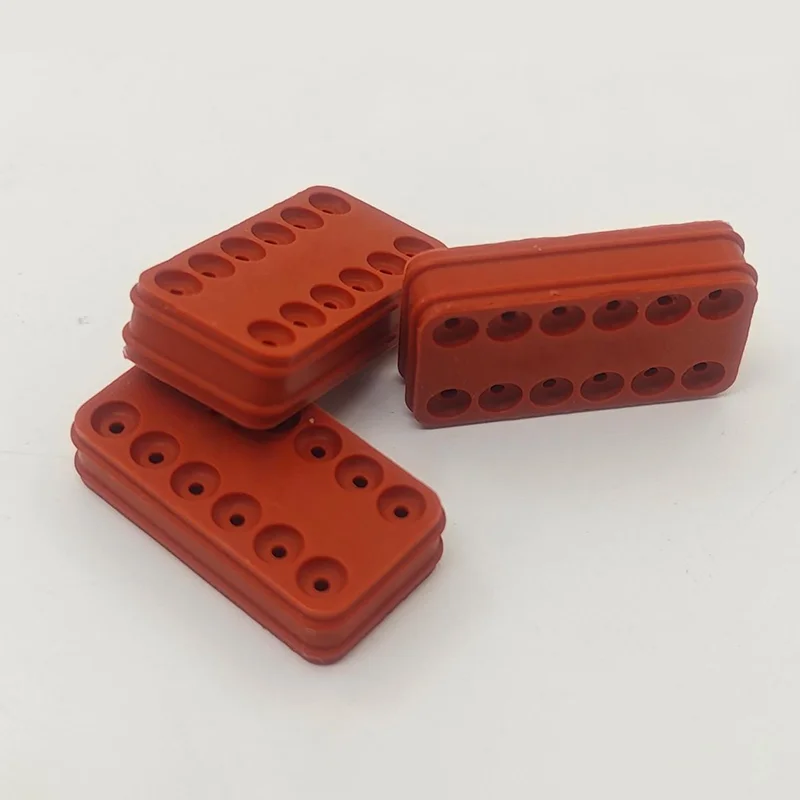
A single wire seal is generally designed with a central opening that accommodates a specific wire diameter. Its flexible sealing body creates contact with the wire insulation and the corresponding connector cavity. When correctly installed, the seal is compressed within the housing, helping establish a continuous barrier around the wire entry area.

The blue color of a Waterproof Single Wire Seal Blue can serve as a visual identification feature during assembly, inspection, and component sorting. However, color alone does not establish material composition, waterproof performance, or compatibility. These properties must be confirmed through technical specifications and relevant testing.

Depending on the connector design and operating environment, single wire seals may be manufactured from elastomeric materials such as silicone rubber or other suitable sealing compounds. Material selection generally considers flexibility, compression behavior, temperature resistance, chemical exposure, and long-term aging characteristics.

Key Factors Affecting Sealing Performance

Effective sealing depends on more than the physical presence of a rubber component. Several design and manufacturing factors influence its ability to maintain protection throughout the service life of an electrical connection.

  • Wire diameter compatibility: The seal opening must match the specified wire insulation diameter to achieve appropriate contact pressure.
  • Material elasticity: Suitable elasticity helps the seal maintain contact when exposed to vibration and temperature changes.
  • Dimensional accuracy: Consistent dimensions support reliable installation and reduce the risk of excessive compression or loose fitting.
  • Environmental resistance: Materials should be evaluated against expected moisture, temperature, oil, and chemical exposure.
  • Installation quality: Incorrect positioning, damaged insulation, or twisted seals can create potential leakage paths.

Applications in Automotive Electrical Systems

Single wire sealing components are used in different automotive electrical assemblies, depending on connector architecture and environmental requirements. Common application areas include engine compartment wiring, exterior lighting, sensor connections, body control systems, and selected chassis electrical interfaces.

In these locations, electrical connectors may experience repeated temperature cycles, mechanical movement, road contaminants, and water exposure. A properly selected Waterproof Single Wire Seal Blue can help protect individual wire entry points when integrated into a connector system designed for the required environmental conditions.

The component may also be relevant to electric vehicle electrical architectures. As electric vehicles incorporate more sensors, control units, lighting systems, and auxiliary electrical connections, consistent connector sealing remains an important part of electrical system design. The exact sealing requirements depend on the voltage level, installation location, connector construction, and applicable safety standards.

Testing and Quality Control Considerations

Manufacturers and automotive component engineers typically evaluate sealing components through dimensional inspection, material verification, and application-specific performance testing. Depending on the intended use, testing may include compression behavior, thermal aging, fluid resistance, and water ingress evaluation of the assembled connector.

Standards such as ISO 20653 provide guidance for degrees of protection against foreign objects, water, and access to electrical equipment in road vehicles. However, the protection rating applies to the evaluated equipment or assembly under specified test conditions, not automatically to an individual seal. Connector-level validation is therefore necessary to confirm actual performance.

During production, attention should also be given to storage conditions, material consistency, surface defects, and installation procedures. These controls help reduce variations that could affect sealing reliability in finished wiring harnesses.

Conclusion

As vehicle electrical architectures continue to expand, individual wire sealing remains a practical consideration in connector engineering. The Waterproof Single Wire Seal Blue illustrates how a relatively small elastomeric component can contribute to moisture protection at critical wire entry points. Its effectiveness depends on suitable material selection, accurate dimensions, connector compatibility, correct installation, and validation under relevant environmental conditions. Understanding these factors helps engineers evaluate sealing solutions as part of a complete automotive electrical protection system.

Related News
Leave me a message
X
We use cookies to offer you a better browsing experience, analyze site traffic and personalize content. By using this site, you agree to our use of cookies. Privacy Policy
RejectAccept